How to Travel with a Dog in a Car: 10 Smart Tips
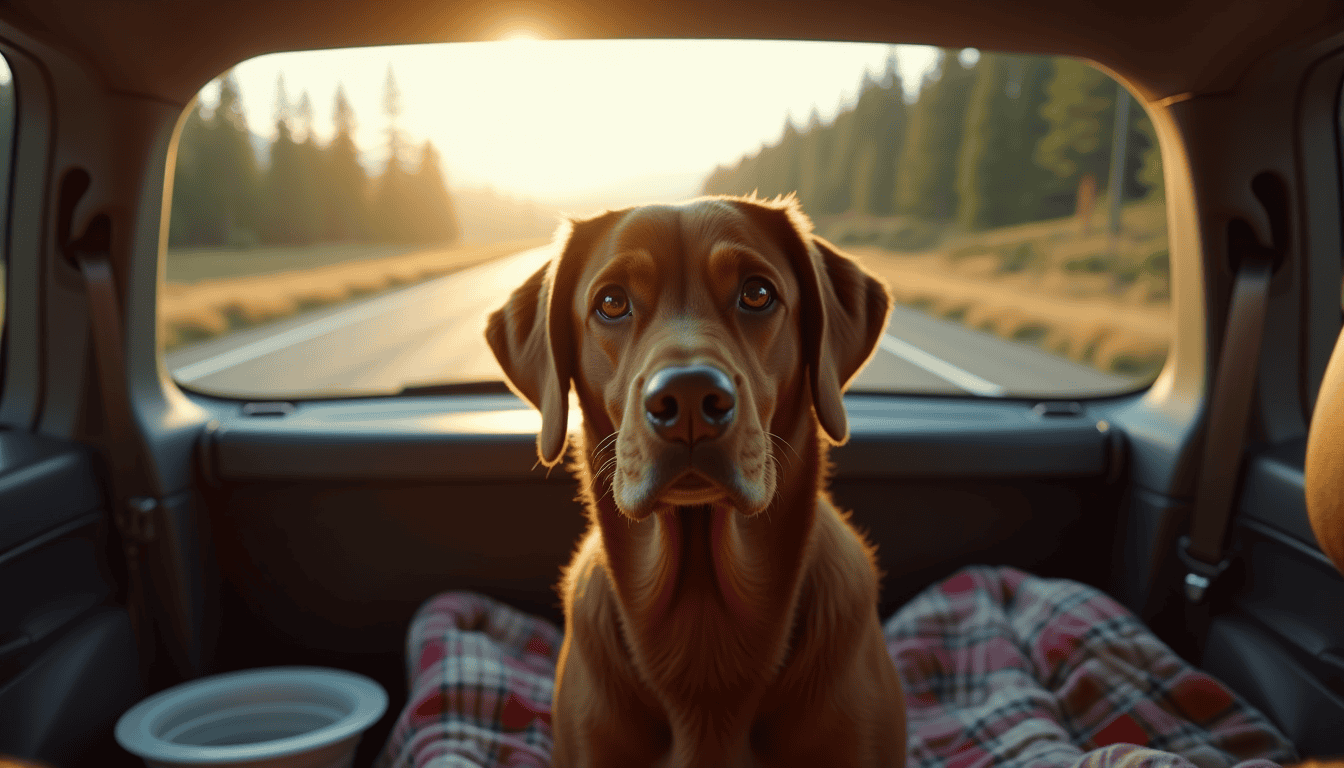
Knowing how to travel with a dog in a car is the difference between a road trip you’ll repeat and one you swear off forever — picture a 400-mile drive with your dog panting on your neck, pawing the window, and knocking your coffee into the cupholder before you’ve hit the highway on-ramp. It doesn’t have to go that way. With the right restraint, a predictable routine, and a bag packed before you back out of the driveway, most dogs settle into car travel surprisingly well.
1. Start with the Right Restraint — Before Anything Else
A 60-pound dog becomes a 2,700-pound projectile in a 35-mph crash. That number comes from basic physics, and it’s why the AKC consistently recommends restraining dogs in vehicles rather than letting them ride loose. The restraint you choose shapes everything else — where your dog sits, how comfortable they are, and how much you’ll be distracted at the wheel.
Crash-Tested Harnesses
A crash-tested harness clips into the seatbelt buckle and distributes force across the chest rather than the neck. Look for one that has passed a recognized sled-test standard. Never clip a standard collar into a seatbelt loop — in a sudden stop, that transfers all force to the trachea.
Hard-Sided Crates
For dogs who already love their crate at home, a secured hard-sided crate in the cargo area is one of the safest options available. The crate needs to be anchored — sliding crates during braking are almost as dangerous as no crate at all. Use cargo straps through the crate handles and attach them to the cargo anchor points in your vehicle.
Barriers and Booster Seats
A metal barrier between the cargo area and rear seats works for large dogs who don’t tolerate harnesses but can’t be crated. Booster seats with a short tether work for small dogs who need to see out the window to avoid motion sickness. Match the restraint type to your dog’s size, temperament, and existing crate comfort — not to what looks easiest to install.
2. Condition Your Dog to the Car Before the Long Drive
Three short sessions in the driveway — engine off, just sitting together — can prevent hours of whining on a cross-state drive. Dogs who panic in cars almost always have a history of car rides that ended at the vet or the groomer. The car predicts something unpleasant, so they escalate.
Start by feeding your dog a few pieces of their regular kibble inside the parked car, door open, no pressure to stay. Once they hop in willingly, close the door, sit for two minutes, then get out. Progress to a five-minute drive around the block. Build from there over one to two weeks before any long trip.
If your dog drools heavily, vomits, or pants continuously even on short rides, that’s motion sickness or anxiety that goes beyond conditioning. Talk to your vet before the trip — there are both behavioral and pharmaceutical options that work well and don’t require sedation.
For dogs with genuine travel anxiety, check out our road trip prep checklist — it includes a pre-departure routine that helps anxious dogs settle faster once you’re moving.
3. How to Travel with a Dog in a Car on a Hot Day
On an 85°F day, the interior of a parked car reaches 104°F in 10 minutes and 119°F in 30. Those aren’t estimates — the ASPCA has documented these temperature curves as part of their hot car safety guidance. Heat management isn’t just about comfort; it’s the single biggest safety variable in summer car travel with dogs.
- Drive in the cooler parts of the day — before 10 a.m. or after 4 p.m. when possible.
- Keep a cooling mat or a damp towel in the back seat for rest stops.
- Never leave your dog in a parked car, even with windows cracked, even for “just a minute.”
- Offer water every 90 minutes minimum — more often in heat.
- Watch for excessive panting, drooling, or gum color changes (pale or bright red gums signal heat stress).
If your dog shows signs of overheating, move them to shade immediately, apply cool (not ice cold) water to their paws and belly, and get to a vet. This is a medical emergency — don’t wait to see if they “walk it off.”
4. Plan Rest Stops Around Your Dog, Not the GPS
Most navigation apps will tell you to stop every four hours for fuel. Your dog needs a break every two to three hours — sooner for puppies, seniors, or dogs with small bladders. Skipping that stop to make time is how you end up cleaning the back seat at a truck stop.
Map your route the night before and identify rest areas or parks at roughly 90-minute to two-hour intervals. Apps like BringFido and AllTrails can surface dog-friendly stops you’d never find on a standard map. A 15-minute sniff walk at a rest area does more to reset a restless dog than an hour of driving with the window cracked.
Feed your dog their last full meal two to three hours before departure, not right before you load up. A full stomach plus car motion is a reliable recipe for vomiting. Offer a small snack mid-trip if it’s a long drive, and hold the next full meal until you’ve arrived and the dog has had 20 minutes to decompress.
Keep a leash clipped to your bag — not buried in it — so every rest stop exit is smooth. Dogs who bolt in unfamiliar parking lots are a real risk, and a panicked dog in traffic is the kind of story nobody wants to tell.
5. Pack the Bag That Prevents Every Common Mid-Trip Problem
A collapsible silicone water bowl that fits in a door pocket has saved more road trips than any single other item. It costs almost nothing and eliminates the “I forgot to bring water” problem that leads to dehydrated, irritable dogs by mile 200.
Beyond water, your dog’s travel bag should handle four categories of problems: hydration, containment, cleanup, and medical. Our detailed dog travel packing list covers every item worth bringing — but at minimum, pack these before any drive over two hours:
- Water and a portable bowl (enough for the full trip plus a buffer)
- Your dog’s regular food in a sealed container — no switching foods mid-trip
- Poop bags, paper towels, and an enzymatic cleaner spray for accidents
- A copy of vaccination records and your vet’s phone number
- Any medications your dog takes, plus any motion sickness or anxiety medication your vet prescribed for travel
- A familiar blanket or item from home — scent is calming in unfamiliar environments
Keep the dog’s bag in the back seat or cargo area, not the trunk — you’ll need access to it at rest stops without unpacking the whole car.
Our Picks
These three product categories address the most common gaps in dog car travel setups. No brand names — what matters is the feature, not the label.
- Crash-tested dog travel harness with seatbelt clip — a harness that has passed a recognized impact standard keeps your dog contained in a sudden stop without transferring force to the neck.
- Portable collapsible silicone water bowl — flat enough to live in a door pocket, it means your dog gets water at every stop without you rummaging through bags.
- Waterproof back seat cover with hammock panel — protects upholstery, keeps the dog from sliding into the footwell on turns, and wipes clean at the end of the trip.
FAQ
How long can a dog ride in a car without a break?
Most adult dogs can manage two to three hours between breaks, but that’s a ceiling, not a target. Puppies, seniors, and dogs prone to anxiety or motion sickness need stops closer to every 60 to 90 minutes. Plan for more stops than you think you need — a 10-minute walk costs less time than a cleanup stop.
Should I feed my dog before a long car ride?
Feed your dog their normal meal two to three hours before departure, then withhold food until you arrive or until a mid-trip break if the drive is over five hours. Eating right before a car ride significantly increases the chance of vomiting, especially in dogs prone to motion sickness.
How do I keep my dog calm during a long car ride?
Conditioning over several short practice rides is the most reliable method. For the trip itself, a familiar blanket, a stuffed Kong or chew to occupy the first 30 minutes, and a covered crate (if your dog is crate-trained) all reduce stimulation. If your dog’s anxiety is severe, ask your vet about anti-nausea or mild anti-anxiety medication before the trip.
Is it safe for dogs to ride with their head out the window?
It’s not recommended. Road debris, insects, and dust can cause eye, ear, and nose injuries at highway speeds. A cracked window that lets in fresh air without full exposure is a safer middle ground. If your dog is restrained in a harness or crate, a fully open window also creates an escape risk at stops.
What documents do I need when traveling across state lines with my dog?
At minimum, carry a current rabies vaccination certificate and your vet’s contact information. Some states require a health certificate issued within 10 days of travel, particularly if you’re crossing into Hawaii or certain international borders. Check the entry requirements for every state on your route at least a week before departure so there’s time to get paperwork in order.
The One Thing to Do Before Your Next Trip
If you take one step after reading this, make it a 10-minute practice ride this week — not on the day of your actual trip. Load your dog into the car, drive around for 10 minutes, then come home. Repeat it twice before the real drive. Knowing how to travel with a dog in a car is mostly about removing surprises for your dog, and that single habit — low-stakes practice runs — does more to prevent a miserable trip than any gear you could buy. Get the restraint sorted, pack the bag the night before, and go.