Flying with a Dog in Cabin: 10 Proven Tips
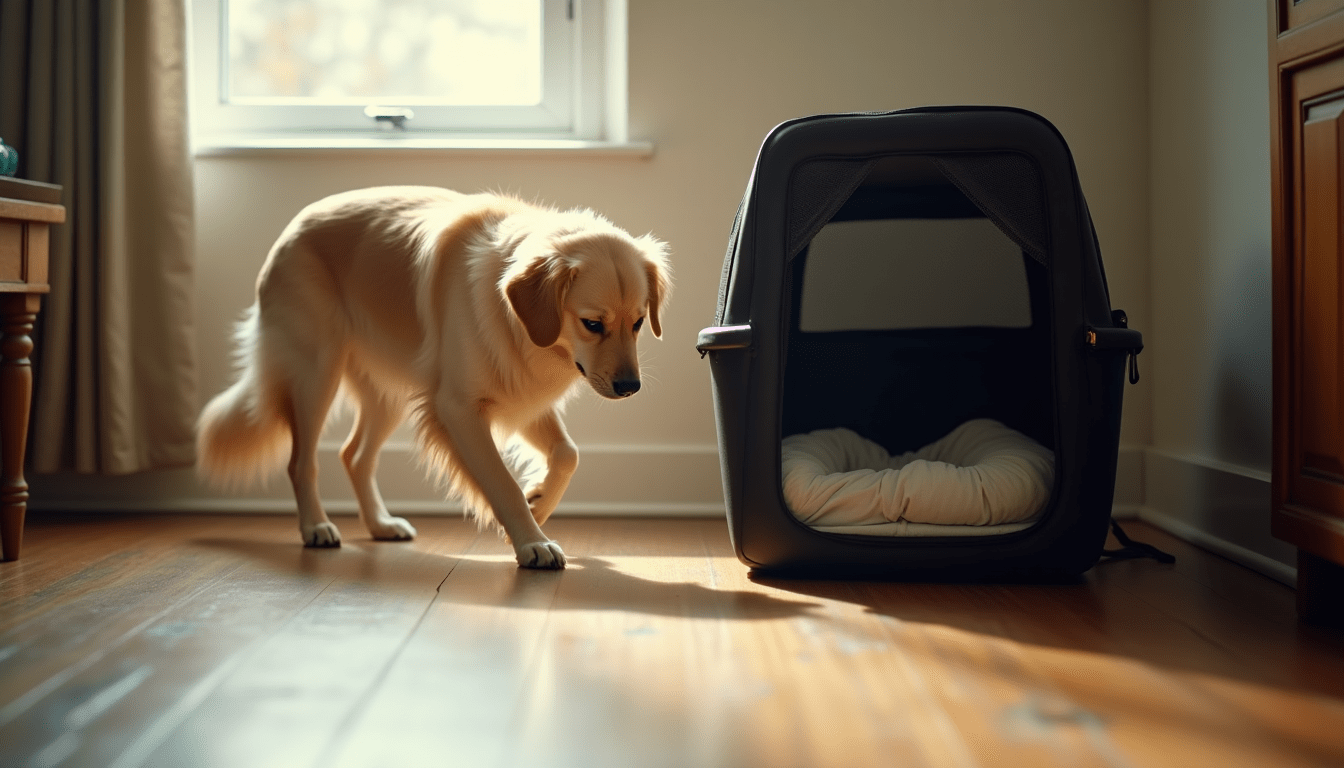
Every flying with a dog in cabin tips list should start here: you’re at the gate, your dog is in a soft-sided carrier under the seat, and the woman next to you has no idea there’s a 12-pound dog two inches from her feet. That’s the goal — a flight so uneventful that nobody around you even notices. Getting there takes specific preparation, not just good intentions.
1. Read the Airline’s Pet Policy Before You Buy Your Ticket
Delta allows one pet carrier per passenger in the main cabin; United counts your pet carrier as your personal item, which means no backpack under the seat. Those two facts alone can change your entire packing strategy — and they’re pulled directly from each airline’s current policy page, which updates without notice. Don’t rely on what a friend told you last year.
Before booking, confirm three things on the airline’s official site:
- Maximum carrier dimensions — most carriers list under-seat space as roughly 18″ x 11″ x 11″, but it varies by aircraft type, not just airline.
- The per-flight pet fee (typically $95–$150 each way on US carriers).
- Whether the route you’re booking is actually eligible — some international legs or regional jets prohibit cabin pets entirely.
Call the airline to add your pet to the reservation after booking. Most carriers cap the number of pets per cabin, and that cap fills up. If you wait until check-in, you may be told your dog has to travel as cargo. Always get a confirmation number for your pet reservation, separate from your ticket.
While you’re doing this research, pull together your full packing list. Our dog travel packing list covers what to bring beyond the carrier itself — health certificates, collapsible bowls, and the other items that tend to get forgotten until you’re at security.
2. Carrier Fit Is the One Thing You Cannot Improvise
A 14-pound beagle mix needs a carrier that fits under the seat in front of you — not a carrier that fits the dog. That distinction matters because the carrier has to compress slightly to slide into the under-seat space. Soft-sided carriers with mesh panels on three sides work better than rigid ones for exactly this reason.
The fit test: put the carrier on your kitchen floor, zip your dog inside, and leave the room for 10 minutes. If your dog is silent and relaxed, the size is right. If they’re spinning or pawing at the zipper, go up one size — even if the airline dimensions technically allow the smaller one.
Conditioning the Carrier at Home
Start four to six weeks before your flight. Leave the carrier open on the floor with a worn t-shirt inside. Feed your dog meals just outside the carrier, then just inside the door, then fully inside with the door open. Build up to 20-minute sessions with the door zipped before you ever leave the house. Dogs that have never been in a closed carrier for more than five minutes are the ones that bark through boarding.
What to Line the Carrier With
A thin, washable pad that smells like your dog’s bed beats any purpose-made carrier insert. Bring a second one in your carry-on in case of an accident during the flight. Skip the thick, fluffy beds — they take up vertical space your dog needs to stand and turn.
3. The Vet Visit You Need to Schedule 10 Days Out
Most US domestic airlines don’t require a health certificate for cabin pets, but some do — and if you’re connecting through certain airports or flying to Hawaii, the rules change entirely. Schedule a vet appointment 10 days before departure regardless, because a health certificate is only valid for a short window and you want the timing to align with your travel date.
At that appointment, ask your vet directly about anxiety management. The AKC advises against sedating dogs for air travel because sedation can affect a dog’s ability to maintain balance and regulate body temperature in the pressurized cabin environment. There are non-sedating options — your vet may suggest a trial run at home before the flight to see how your dog responds.
Also confirm your dog is up to date on vaccinations. If you’re heading somewhere that requires proof, you’ll want those records printed and in your carry-on alongside the health certificate.
4. Flying with a Dog in Cabin Tips for the Airport Itself
Security is where most first-time flyers get caught off guard. TSA requires you to remove your dog from the carrier and carry them through the metal detector while the empty carrier goes through the X-ray belt. Practice this at home: hold your dog against your chest with both hands while you “walk through a door frame.” A dog that squirms loose in a busy security checkpoint is a serious problem.
Arrive 30 minutes earlier than you normally would. The extra time absorbs the security step and gives your dog a chance to sniff around and settle before you get to the gate.
- Walk your dog outside the terminal before you go through security — that’s your last outdoor bathroom opportunity until you land.
- Carry a few high-value treats in your pocket (not in the checked bag) for the security line and boarding.
- At the gate, keep the carrier on your lap or on the seat next to you rather than on the floor where foot traffic and rolling bags will stress your dog.
Board during early boarding if it’s offered for families or passengers needing extra time. Getting settled before the main crowd boards means your dog is in position under the seat before 200 people start shuffling past.
5. Keeping Your Dog Calm During the Flight
The first 15 minutes after takeoff are the hardest. The engine noise changes, the pressure shifts, and your dog has no frame of reference for any of it. A frozen treat stuffed inside a small silicone feeder — prepared the night before and carried in a small cooler bag — gives your dog something to focus on during exactly that window.
Once you’re at cruising altitude, most dogs settle. The white noise of the engines actually helps. Resist the urge to unzip the carrier and pet your dog repeatedly — that signals that something is worth being anxious about. A calm hand resting on the outside of the mesh is enough.
If your dog is prone to motion sickness on car rides, the same vulnerability applies in the air. Our guide to motion sickness remedies covers what actually works, and several of those strategies translate directly to flights. For longer flights over two hours, ask your vet about whether a specific anti-nausea option is appropriate.
The ASPCA recommends keeping your dog’s feeding schedule in mind — a dog that ate a full meal an hour before a flight is more likely to have an upset stomach than one that ate four or more hours before departure.
Our Picks
These three product categories make a measurable difference on travel day:
- Soft-sided airline-approved pet carrier with top and side entry — the dual-entry design lets you slide your dog in from the top during security without fighting a front zipper in a crowded checkpoint.
- Frozen silicone treat dispenser sized for small breeds — pre-load it the night before with peanut butter or wet food and freeze it; it keeps your dog occupied through takeoff without making a mess in the carrier.
- Waterproof, washable carrier liner pad — a snug-fitting liner that doesn’t bunch up keeps your dog comfortable and makes an in-flight accident easy to manage without unpacking everything.
For a broader look at what to pack beyond the carrier, our roundup of essential dog travel accessories includes several items that work equally well for flights and road trips.
FAQ
Can I take my dog out of the carrier during the flight?
Most US airlines prohibit removing your pet from the carrier while on board. The carrier must stay under the seat in front of you for the duration of the flight. Check your specific airline’s policy, but plan to keep your dog in the carrier from gate to gate.
How do I get my dog to use the bathroom before a long flight?
Walk your dog outside the terminal right before you enter — that’s the last grass or outdoor surface until you land. For very long flights, some airports have indoor pet relief stations post-security; search “[airport code] pet relief area” before you travel to know what’s available.
What size dog can fly in the cabin?
There’s no universal weight limit, but the practical constraint is carrier size: your dog must fit comfortably in a carrier that fits under the seat. Most dogs over 20 pounds can’t meet that requirement. The carrier, not the dog’s weight, is what airlines actually measure at check-in.
Do I need a health certificate for my dog to fly in the cabin domestically?
Requirements vary by airline. Some major US carriers don’t require one for domestic cabin travel; others do. Hawaii has strict entry requirements regardless of carrier. Always check the specific airline’s current policy and your destination’s rules at least two weeks before your flight.
How do I keep my dog from barking on the plane?
Carrier conditioning before the trip is the single most effective prevention — a dog that has spent hours in the carrier at home is far less likely to vocalize on the plane. On the day of travel, exercise your dog that morning to reduce baseline energy, and use a frozen treat during the most stressful moments like takeoff and boarding.
One Last Thing
Flying with a dog in cabin tips only work if you start early enough to act on them. The single most impactful thing you can do right now — weeks before your flight — is get the carrier out, put it on the floor, and start the conditioning process. Everything else: the vet visit, the airline call, the frozen treat prep, follows naturally once the carrier is sorted. That’s where to start.