Dog Travel Packing List: 15 Essential Items to Bring
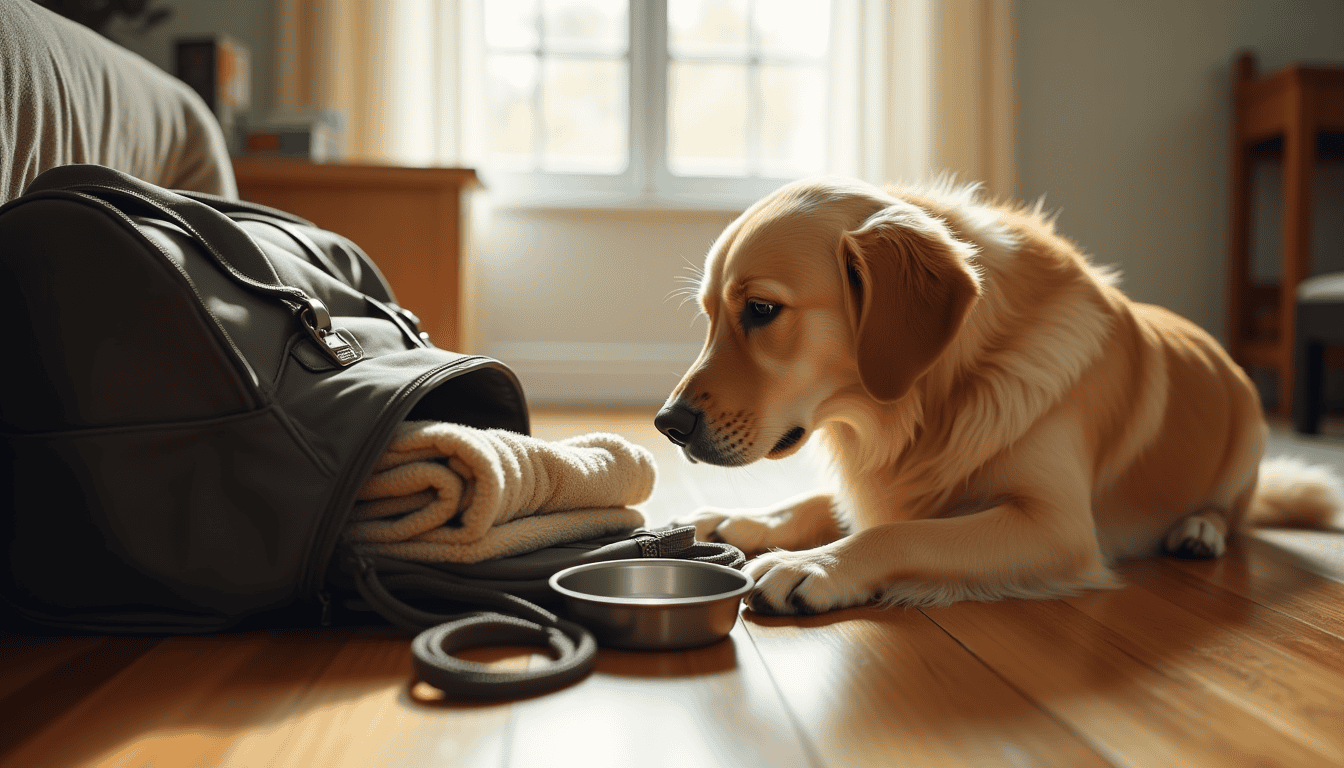
Your dog travel packing list is already half-wrong if you’re building it the night before departure — a forgotten collapsible bowl or a missing copy of vaccination records can derail an entire road trip before you hit the highway. Whether you’re driving three hours to a lakeside cabin or flying cross-country to visit family, what you pack determines how smoothly the whole trip goes for both of you. Get it right once, save it as a checklist, and every future trip gets easier.
The 4 Categories Every Dog Travel Packing List Needs
Think of packing in four buckets: comfort, containment, health, and routine. A single tote bag stuffed with random items isn’t a system — it’s a scavenger hunt at 6 a.m. when your dog is already spinning circles by the front door.
Comfort Items
Your dog’s travel anxiety often traces back to unfamiliar smells. Pack the blanket or bed insert they already sleep on — not a new one you bought for the trip. A worn t-shirt from the laundry basket works in a pinch. Familiar scent is a real, documented calming signal for dogs, and it costs you nothing extra to pack it.
- Their regular sleep blanket or crate pad
- Two or three familiar toys (not the whole bin)
- A long-lasting chew for the car or plane
Containment Gear
A loose dog in a moving vehicle is a safety hazard — for the dog and the driver. Use a crash-tested crate or a vehicle harness rated by the Center for Pet Safety, not a decorative harness clipped to a seatbelt. For hotel stays, a lightweight travel crate doubles as a safe den in an unfamiliar room.
Health and ID
Carry a physical copy of vaccination records, not just a screenshot on your phone (screens die; paper doesn’t). Include your vet’s phone number, the number for a 24-hour emergency vet near your destination, and the ASPCA Animal Poison Control hotline (888-426-4435) in case your dog gets into something unfamiliar on the road.
Routine Supplies
Dogs regulate stress through routine. Pack the same food, the same feeding bowl, and the same feeding schedule. Even one meal of a different brand can cause digestive upset — which is the last thing you want in a rental car.
Food, Water, and Feeding Gear That Actually Travels Well
A 30-pound bag of kibble is not a travel food container. Pre-portion each meal into zip-lock bags or a dedicated travel food canister before you leave. This sounds fussy until you’re trying to scoop kibble in a dark parking lot at a rest stop.
Water is the item most people underpack. Dogs on road trips tend to drink less because the water smells different and the routine is off. Bring water from home for at least the first day, and use a spill-proof travel water bottle with an attached trough so your dog can drink without you needing a bowl on every pit stop.
- Pre-portioned meal bags (one per meal, labeled)
- Collapsible silicone bowl for water and food
- Travel water bottle with attached trough
- A small bag of high-value treats for reinforcing calm behavior in new environments
- Any supplements your dog takes daily (don’t assume you can find them at a local pet store)
If your dog is prone to motion sickness, talk to your vet before the trip. There are prescription and over-the-counter options, but neither should be tried for the first time on travel day. AKC notes that withholding food for a few hours before a car ride can help reduce nausea in dogs prone to motion sickness — worth discussing with your vet to see if it’s appropriate for your dog.
Health and Safety Supplies You’ll Regret Skipping
A basic pet first aid kit fits in a quart-sized zip bag and has bailed out more than a few trips. At minimum, pack: gauze pads, self-adhesive bandage wrap (the kind that sticks to itself), tweezers for ticks, saline eye wash, and a digital rectal thermometer. A dog’s normal temperature runs between 101°F and 102.5°F — knowing that number matters if your dog seems off and you’re far from your regular vet.
Beyond the kit itself:
- Bring a 2-week supply of any prescription medications, even if the trip is only five days. Delays happen.
- Pack flea and tick prevention if you’re heading anywhere with grass, trails, or wildlife.
- Keep a copy of your dog’s microchip number in your wallet, separate from your phone.
- A spare collar with an up-to-date ID tag — not just a tag with your home address, but one with a cell phone number you’ll actually answer.
If your dog takes any medication that requires refrigeration, call ahead to confirm your accommodation has a mini-fridge, or plan to bring a small cooler with ice packs.
Containment and Sleep Setup for Hotel and Rental Stays
The first night in a new place is usually the hardest for dogs. A 45-pound Australian shepherd who sleeps soundly at home can pace a hotel room for two hours if there’s no familiar anchor. A travel crate — even left open — gives your dog a defined “home base” in an unfamiliar room. Most dogs will eventually settle in it on their own once they realize it smells like their stuff.
For hotel stays specifically:
- Bring a rubber-backed mat or small rug to put under their crate or bed — hard hotel floors feel wrong to dogs used to carpet.
- Pack a white noise app or small travel sound machine if your dog reacts to hallway noise.
- Always request a ground-floor room if your dog needs frequent nighttime bathroom breaks — elevator trips at 2 a.m. in an unfamiliar building are more disorienting than they sound.
- Keep a roll of paper towels and an enzymatic cleaner spray in your bag. Accidents happen in new environments even with house-trained dogs.
For vacation rentals, do a quick sweep of the space when you arrive: check for gaps under fences, unsecured trash cans, or low shelves with items a curious dog could grab. Five minutes of scouting prevents an hour of problem-solving.
Cleanup and Waste Supplies That Keep You Welcome Everywhere
Forty-eight poop bags sounds like a lot until you’re on day three of a week-long trip and you’re rationing. Pack more than you think you need — a full roll per day is a reasonable baseline for a single dog. A bag dispenser clipped to the leash handle means you’re never caught without one.
Beyond waste bags:
- Enzymatic spray cleaner (travel-size, 3 oz for carry-on compliance) for accidents in vehicles or rooms
- Grooming wipes for muddy paws after hikes or beach visits — faster than a full bath and kinder to rental property floors
- A dedicated “dirty dog” towel — an old beach towel you don’t care about — kept in the car for wet or muddy arrivals
- A small lint roller for upholstered seats in rentals or rideshares
Being a considerate guest with a dog is mostly about cleanup. Properties that allow dogs often lose that policy after one bad experience. A thorough cleanup routine — paws at the door, waste bagged immediately, surfaces wiped — is what keeps pet-friendly options available for everyone.
Our Picks
These are product categories worth investing in before your first trip. Links are placeholders for affiliate partners.
- Crash-tested hard-sided travel crate — a crate with an independent safety rating (not just “airline approved”) protects your dog in sudden stops and doubles as a sleep space at your destination.
- Spill-proof travel water bottle with integrated trough — lets your dog drink at rest stops without requiring a separate bowl, a flat surface, or two free hands.
- Compact enzymatic odor-and-stain spray — breaks down the proteins in urine and vomit at the molecular level, which matters in rental cars and hotel rooms where masking the smell isn’t enough.
FAQ
What should I put on a dog travel packing list for a road trip?
Prioritize food (pre-portioned), water from home, a travel bowl, leash and collar with current ID, vaccination records, a basic first aid kit, waste bags, and your dog’s regular sleep surface. Add any prescription medications and a containment solution — crate or crash-tested harness — before anything else.
How do I keep my dog calm during a long car ride?
Familiar smells help most — pack their regular blanket and a worn item of your clothing. Schedule rest stops every two hours so your dog can stretch, sniff, and relieve themselves. If your dog has significant travel anxiety, talk to your vet about anti-nausea or calming options before the trip, not on travel day.
Can I bring my dog on a plane in the cabin?
Most US airlines allow small dogs in the cabin in an approved soft-sided carrier that fits under the seat — typically dogs under 20 pounds including the carrier. Each airline sets its own size and breed restrictions, so check the specific airline’s pet policy at least two weeks before booking. There are usually limited pet spots per flight, so reserve early.
What documents do I need when traveling with a dog across state lines?
A current rabies vaccination certificate is required in most states. Some states also require a Certificate of Veterinary Inspection (CVI), sometimes called a health certificate, issued within 10 days of travel. Check the destination state’s department of agriculture website for the exact requirements, since they vary.
How much food should I pack for a dog on a week-long trip?
Pack your dog’s exact daily portion multiplied by the number of days, plus two extra days as a buffer for delays or extended stays. Pre-portioning into individual meal bags removes the guesswork and keeps you from over- or underfeeding when your routine is disrupted. Don’t rely on finding your dog’s specific food brand at a local store.
Your Next Step
Print or save this dog travel packing list before your next trip and check it off category by category — comfort, containment, health, and routine — rather than item by item. That four-bucket framework is what keeps you from standing in a parking lot at 7 a.m. realizing you forgot the food. Pack once, pack right, and the trip itself becomes the focus instead of the logistics.