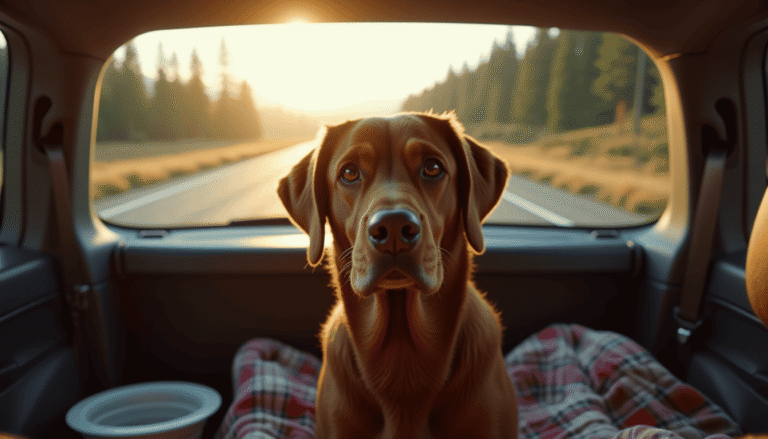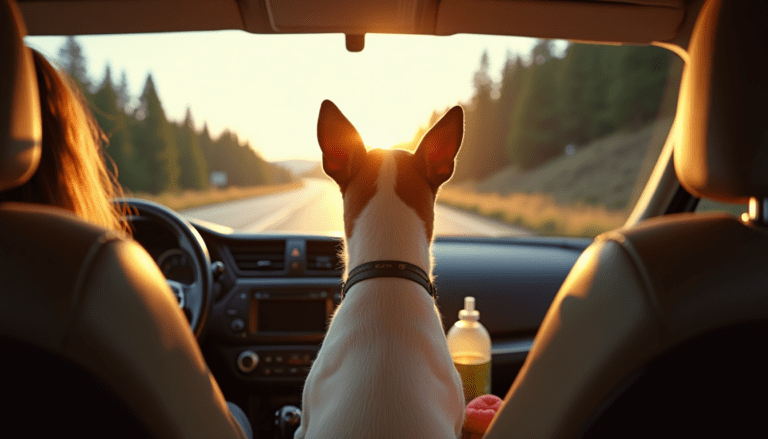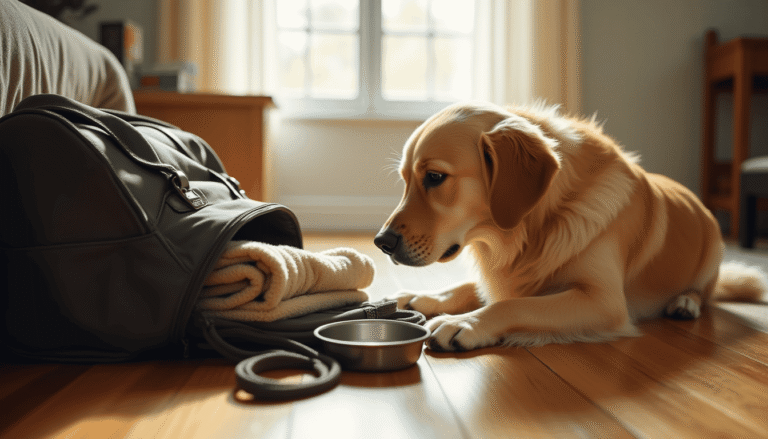
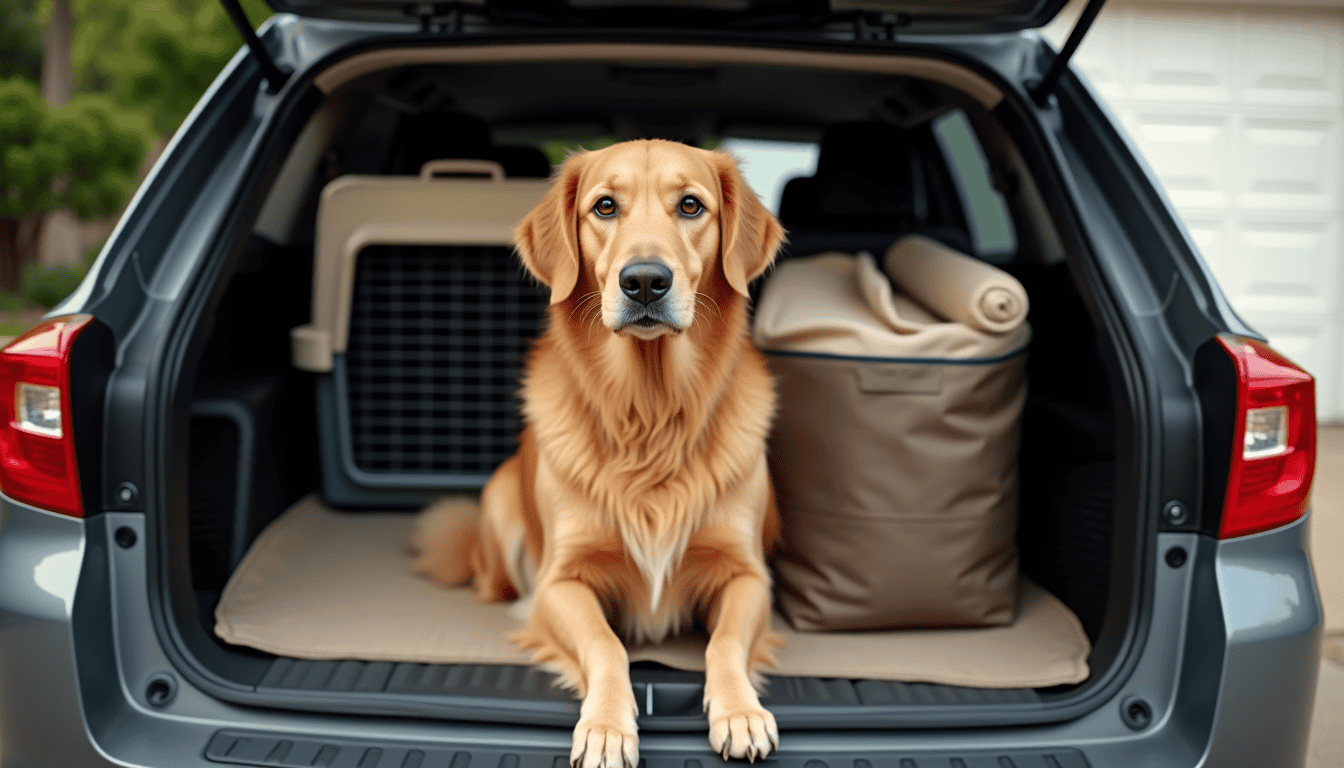
Your pet friendly road trip packing list should be sitting on the kitchen counter two days before you load the car — not assembled in the driveway at 6 a.m. while your beagle circles your ankles and your coffee goes cold. Every item you forget becomes a gas station detour or, worse, a safety problem 200 miles from home. This guide cuts through the noise and tells you exactly what to pack, how to organize it, and what most pet owners skip until they regret it.
1. Safety Gear: The Items That Can’t Be Optional
A crash-tested travel crate rated for your dog’s weight is the single most important item on any list. In a 30 mph collision, an unrestrained 60-pound dog becomes a 2,700-pound projectile — that physics is real, and it’s the reason AKC recommends securing pets in an appropriately sized crate or with a crash-tested harness any time they’re in a moving vehicle.
Beyond restraint, pack these before anything else:
- A well-fitted harness or crate rated for car travel — not a regular walking harness, which can snap under impact forces
- A current ID tag with your cell number (not your home number — you won’t be home)
- A printed copy of your pet’s vaccination records in a waterproof sleeve
- Your vet’s phone number and the number of an emergency animal hospital near your destination
- A recent photo of your pet on your phone for lost-pet situations
One thing most people skip: update your pet’s microchip registration before you leave. If your contact info has changed since the chip was implanted, the chip is nearly useless. Takes five minutes online and costs nothing.
Also check whether your destination state or campground has any breed-specific regulations or pet entry requirements. Some national park areas restrict certain breeds or require proof of rabies vaccination at check-in. A quick search before you leave saves a turned-away trip.
2. Food, Water, and the Gear to Serve Both
Three days into a trip through New Mexico, you’ll be grateful you packed an extra 48 hours of food. Supply chains at rural gas stations don’t stock your dog’s prescription kibble or your cat’s specific wet food formula. The rule of thumb: pack your pet’s normal food for the full trip duration, plus two extra days.
Food Storage
Use an airtight, hard-sided container rather than the original bag. The bag tears, attracts insects, and absorbs car smells. A rigid container also stacks cleanly in the trunk. Pre-portion meals into zip-lock bags labeled by day if you want zero guesswork at a highway rest stop.
Water on the Road
Bring water from home for at least the first day. Abrupt changes in water source — especially well water at rural campgrounds — can cause digestive upset in dogs with sensitive stomachs. After day one, most dogs adapt fine to local water. Pack a collapsible silicone bowl that fits in a door pocket; it weighs almost nothing and means you can offer water at every stop without digging through bags.
Feeding Schedule
Don’t feed a full meal within two hours of a long drive leg, especially for breeds prone to bloat (deep-chested dogs like German shepherds, standard poodles, and Great Danes). A light meal or half-portion before driving, then the full meal at your stop, keeps digestion calm and reduces car sickness risk.
3. Comfort and Containment Inside the Car
A $20 waterproof seat cover has saved more upholstery — and more sanity — than any other single item. Mud, wet fur, motion sickness, and shedding are all inevitable on a long drive. The seat cover is the first thing to lay down before your dog ever gets in the car.
Beyond the seat cover, think about your dog’s ability to settle. Dogs that can’t get comfortable become restless and whiny, which is distracting and stressful for everyone. A familiar blanket or small bed from home carries a scent your dog already associates with rest. That olfactory familiarity does more to calm a dog in a strange environment than most purpose-built “calming” products.
- A non-slip mat under any soft bedding keeps it from bunching during braking
- A window shade on rear side windows cuts heat and reduces visual overstimulation for reactive dogs
- Never leave your pet in a parked car in warm weather — even with windows cracked, interior temperatures can reach dangerous levels in under 10 minutes, according to ASPCA heat safety guidelines
If you’re traveling with a cat, a hard-sided carrier that fits under the seat or on the floor is safer than a soft-sided bag on the seat. Cats feel more secure in an enclosed, darkened space. Cover three sides of the carrier with a light towel and leave the door side open for airflow.
4. Building Your Complete Pet Friendly Road Trip Packing List by Category
Organizing your gear into five buckets — Safety, Food & Water, Health, Comfort, and Cleanup — means you can check off each category independently and nothing falls through the cracks. Here’s what belongs in each:
Safety
- Crash-tested harness or travel crate
- Current ID tag + backup tag in your bag
- Vaccination and health records (waterproof sleeve)
- Leash + backup leash
- Recent pet photo saved offline on your phone
Food & Water
- Full trip supply + 2 extra days of food in an airtight container
- Pre-portioned meal bags (optional but useful)
- Gallon jug of home water for day one
- Collapsible bowl
- Portable water bottle with attached trough
Health
- Any prescription medications (plus a few extra doses)
- Flea, tick, and heartworm preventatives up to date
- Basic first aid kit: gauze, antiseptic wipes, tweezers, vet wrap
- Motion sickness medication if your vet has prescribed it
Comfort
- Familiar blanket or small bed from home
- Waterproof seat cover
- A chew toy or long-lasting treat for drive time
- Window shade for rear windows
Cleanup
- Waste bags (more than you think you need)
- Enzymatic cleaner spray for accidents in the car
- Pack of unscented baby wipes for quick paw and coat wipe-downs
- Small towel for wet paws after rest stops
Print this list and tape it inside your pet’s travel bag so you’re working from the same checklist every trip, not rebuilding it from memory.
5. Rest Stops, Exercise, and Keeping Your Pet Mentally Settled
Every 2–3 hours is the standard advice for stopping with a dog on a road trip, but the quality of the stop matters as much as the frequency. A 5-minute bathroom break in a gas station median is not the same as a 15-minute leashed walk around a rest area. Dogs that get genuine movement at stops settle back into the car far more quickly and sleep longer between legs.
Sniff time is exercise too. Letting your dog spend 10 minutes nose-down in a grassy area at a rest stop provides real mental fatigue — the kind that makes the next two hours of driving quiet. Don’t rush it unless you’re on a schedule.
For cats, stops are usually counterproductive. Most cats are calmer if the carrier stays closed and the environment stays consistent. Offer water at stops by opening the carrier door and holding a bowl at the entrance rather than taking the cat out in an unfamiliar parking lot.
A few things to keep on hand in the front seat (not buried in the trunk) for managing the drive:
- A frozen stuffed chew toy or long-lasting treat to occupy a restless dog during slow traffic
- A calming playlist or white noise — some dogs genuinely settle to low-volume ambient sound
- Keep the car temperature cooler than you think necessary; dogs run hotter than humans and can’t regulate heat as efficiently
Our Picks
These three product categories consistently make the biggest difference on long drives:
- Crash-tested dog travel harness — a harness that has passed independent sled-test standards keeps your dog restrained without a crate and lets them sit or lie down naturally during the drive.
- Waterproof quilted bench seat cover with side flaps — side flaps prevent the cover from sliding and protect the door panels, which standard flat covers miss entirely.
- Portable pet water bottle with integrated trough — one-handed operation means you can offer water at a rest stop without setting anything down, which matters when you’re also managing a leash.
FAQ
How do I keep my dog calm during a long road trip?
Familiar scent is the most reliable tool — bring a blanket your dog already sleeps on. Exercise before you leave and at every stop reduces restless energy. If anxiety is severe, talk to your vet about short-term options before the trip; don’t experiment with new medications on travel day.
What documents do I need to travel across state lines with a pet?
Most states require proof of a current rabies vaccination at minimum. Some require a Certificate of Veterinary Inspection (CVI), also called a health certificate, issued within 10 days of travel. Check the requirements for each state you’ll pass through, not just your destination.
Can I give my dog Benadryl to help with car sickness?
Diphenhydramine (the active ingredient in standard Benadryl) is sometimes used for motion sickness in dogs, but dosing depends on your dog’s weight and health history. Ask your vet before giving any over-the-counter medication — some Benadryl formulations contain xylitol or other additives that are toxic to dogs.
How often should I stop on a road trip with a dog?
Every 2–3 hours is a reasonable baseline for most adult dogs. Puppies, senior dogs, and dogs with bladder conditions may need stops every 1–2 hours. Build your route around rest areas rather than relying on random exits — rest areas almost always have grassy areas safe for a leashed walk.
Are there pet-friendly hotels that don’t charge extra fees?
Some hotel chains waive pet fees at select properties, but policies vary by location even within the same brand. Always call the specific property — not the corporate line — to confirm the fee, weight limit, and any breed restrictions before booking. Third-party booking sites don’t always display current pet policies accurately.
One Last Thing Before You Load the Car
Pull up your pet friendly road trip packing list right now and check one category: Health. Medications, vaccination records, and your vet’s contact information are the items most likely to be forgotten and the hardest to replace on the road. Get those squared away first, then work through the rest of the list. Everything else is easier to improvise than a prescription refill at an unfamiliar clinic three states from home.