Knowing how to help dogs with car sickness is one of those things you only start researching after your dog has already drooled through two towels on the way to the vet. It’s a more common problem than most owners expect, and the good news is that the fixes are practical — not complicated. Whether your dog whimpers before the car even moves or waits until mile fifteen to lose their breakfast, there’s a strategy here that will work for your situation.
Why Dogs Get Car Sick in the First Place
Puppies under one year old are the most common sufferers — their inner ear structures are still developing, which makes the sensory mismatch of a moving vehicle much harder to process. The inner ear detects motion, but the eyes (often staring at a stationary seat back) tell the brain something different. That conflict is what triggers nausea. According to the AKC, anxiety can amplify the physical symptoms significantly, which is why some dogs show signs before the car even starts moving.
Car sick dog drooling treatment starts with recognizing the symptoms early, before vomiting occurs. Common signs include:
- Excessive drooling or lip-licking
- Yawning repeatedly outside of tiredness
- Whining or restlessness in the seat
- Listlessness or a sudden “zoned out” look
- Vomiting — the most obvious, but not always the first sign
The anxiety component matters a lot here. If your dog’s first car rides were to the vet or a groomer — both stressful places — their brain may have wired the car as a stress trigger, not just a motion trigger. This is why desensitization (covered below) is as important as any pill or supplement. For a broader look at keeping your dog comfortable on the road, our guide on traveling with a dog in a car covers the full picture.
How to Help Dogs with Car Sickness Using Positioning
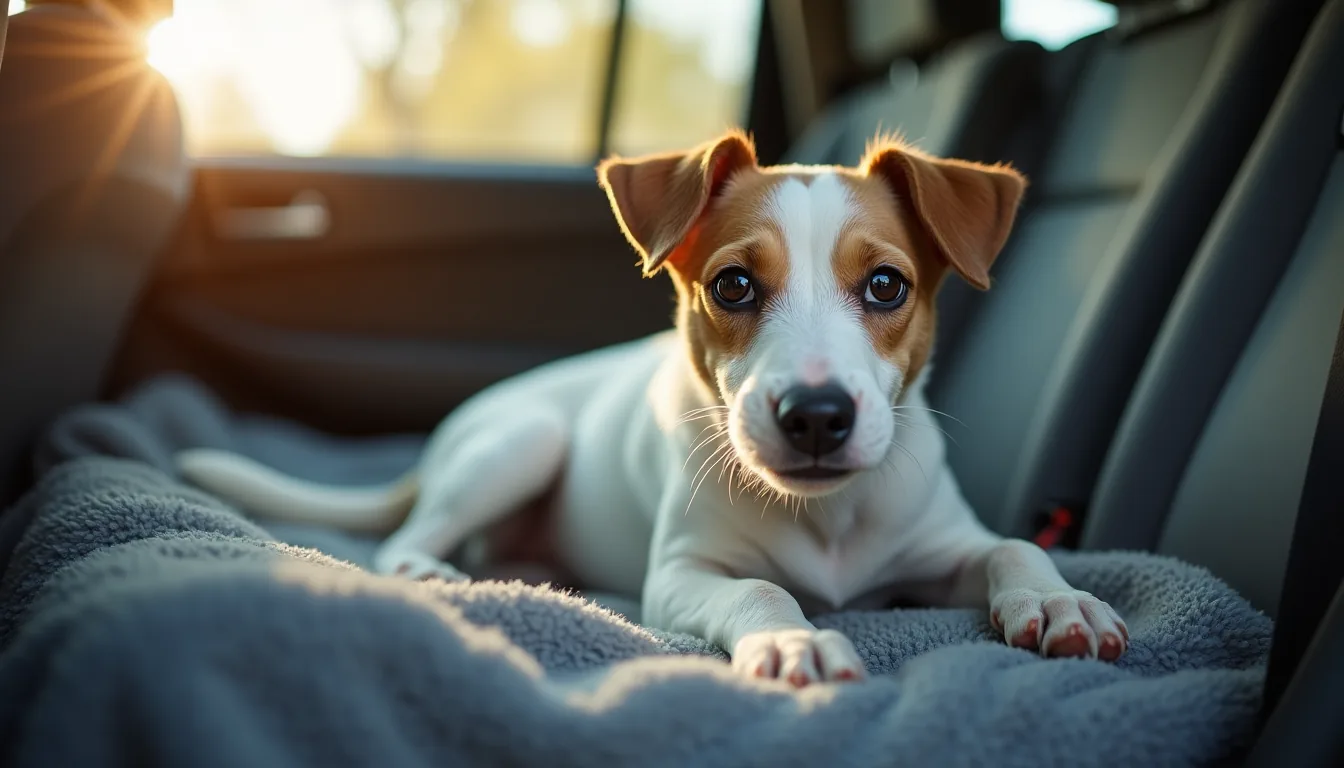
One of the simplest fixes costs nothing: move your dog to the middle back seat and have them face forward. Dogs that face sideways or backward experience more visual-vestibular conflict, which worsens nausea. Facing forward gives their eyes a moving visual field that better matches what the inner ear is feeling.
Crack a window about two inches. Fresh, cool air reduces nausea in both dogs and humans by stabilizing inner ear pressure and providing a neutral sensory input. It doesn’t need to be wide open — just enough for steady airflow across their face.
Height also matters. A dog riding low in a footwell or cargo area has less visual reference to the outside world, which amplifies disorientation. Elevating your dog to window height — using a booster seat or secured crate — gives them a stable visual horizon. This is also safer: an unsecured dog in a moving car is a real hazard. Our breakdown of dog seat belt safety facts explains the restraint options worth considering.
A few positioning tips that make a consistent difference:
- Center back seat, facing forward — best visual-vestibular match
- Window cracked 1-2 inches — steady cool airflow
- Elevated to window height — stable horizon reference
- Avoid the cargo area for nausea-prone dogs — too much movement amplification
Feeding and Timing: The 2-Hour Rule
A full stomach on a winding road is a reliable recipe for a mess. Most dogs do best when their last meal is at least two to three hours before departure. An empty stomach isn’t the goal — that can cause its own nausea — but a light stomach handles motion far better than a full one.
Skip the treat-loading right before the trip. It’s tempting to use high-value treats to build positive associations with the car, but timing matters. Save the treats for during and after short practice sessions, not immediately before a long drive.
Water is fine in small amounts before the trip. Dehydration can actually worsen nausea, so don’t withhold water entirely. Bring a travel water bottle and offer small sips at rest stops rather than a full bowl at the start.
For puppies specifically, the two-to-three-hour pre-trip fast is especially important. Their digestive systems are more reactive, and they haven’t yet built any tolerance to car motion. Many owners find that puppies who get car sick consistently will largely grow out of it by 12–18 months as their inner ear matures — but the feeding window trick helps in the meantime.
Dog Car Sickness Natural Remedy Options That Work
Ginger is the most well-documented natural option. Ginger for dog car sickness works by calming stomach contractions — the same reason it’s used in human anti-nausea remedies. A small amount of plain ginger (not ginger snaps, which contain sugar and sometimes xylitol) given 30 minutes before the trip is the approach most owners use. Plain ginger snap dog treats formulated without xylitol are a safer ready-made option.
A few other natural approaches worth trying:
- Lavender aromatherapy: A drop of diluted lavender oil on a bandana near (not on) your dog can reduce anxiety-driven nausea. Don’t apply essential oils directly to skin or coat.
- Calming chews with L-theanine or chamomile: These target the anxiety component rather than the motion component. They work best for dogs whose car sickness is primarily stress-triggered.
- Acupressure wristbands adapted for dogs: Some owners report success with pressure-point collars, though the evidence here is largely anecdotal.
- Short, positive-only car sessions: Park in the driveway with the engine off, feed treats, then end the session. Gradually build up to short drives to fun destinations. This is desensitization, and it’s one of the most durable fixes available.
Natural remedies work best for mild to moderate cases. If your dog is vomiting on every ride regardless of these adjustments, it’s time to consider medication.
When to Use Medication for Dog Car Sickness
Cerenia (maropitant citrate) is the only FDA-approved prescription medication specifically for dog motion sickness, and it works well. It targets the vomiting center in the brain rather than just sedating the dog, which means your dog stays alert and comfortable rather than groggy. It’s given 1–2 hours before travel. According to PetMD, it’s appropriate for dogs 16 weeks and older and is generally well-tolerated.
For owners asking about dog motion sickness medicine over the counter, diphenhydramine (Benadryl) is the most commonly used option. It has a mild anti-nausea and sedating effect, which helps some dogs. The correct dose is weight-dependent and some formulations contain xylitol or decongestants that are toxic to dogs — always confirm the ingredient list and dose with your vet before using any OTC medication.
Prescription options your vet may discuss include:
- Cerenia (maropitant): Best-in-class for motion-triggered vomiting
- Meclizine: An OTC antihistamine sometimes recommended off-label
- Trazodone or gabapentin: For dogs with significant anxiety driving the nausea
Medication works best when combined with the positioning and feeding adjustments above. A pill alone rarely solves the problem completely if the dog is also anxious, improperly positioned, or fed right before departure. For a deeper look at remedies across the spectrum, see our full guide on car sickness remedies for dogs.
Our Picks
These three product categories make the biggest practical difference for car-sick dogs:
- Elevated dog booster seat with safety tether — raises your dog to window height for a stable visual horizon, which directly reduces motion-triggered nausea on longer drives.
- Calming chews with L-theanine and chamomile — targets the anxiety layer of car sickness, particularly useful for dogs whose symptoms appear before the car even moves.
- Portable dog travel water bottle with one-handed dispenser — keeps your dog lightly hydrated at rest stops without the mess of a full bowl in a moving vehicle.
FAQ
When do dogs grow out of car sickness?
Most puppies improve significantly between 12 and 18 months as their inner ear structures finish developing. Some dogs never fully outgrow it, particularly if anxiety has become part of the pattern — in those cases, desensitization training and medication remain useful long-term tools.
What are the first signs of car sickness in dogs?
Excessive drooling and repeated yawning are usually the earliest indicators, often appearing before any vomiting. Restlessness, lip-licking, and a glazed or listless expression are also early warning signs. Catching these cues early lets you pull over and take a break before things escalate.
Is ginger safe for dogs with car sickness?
Plain ginger in small amounts is generally considered safe for dogs. The concern is with ginger-flavored human products like ginger snaps, which may contain xylitol, excess sugar, or other ingredients that are harmful to dogs. Use plain ginger or dog-specific ginger treats, and check with your vet if your dog has any underlying health conditions.
Can I give my dog Benadryl for car sickness?
Diphenhydramine (plain Benadryl) is sometimes used for mild car sickness because it has both antihistamine and mild anti-nausea properties. The dose is weight-dependent, and many Benadryl formulations contain decongestants or xylitol that are dangerous for dogs. Always check the full ingredient list and confirm the correct dose with your vet before giving any OTC medication.
Does a crate help with dog car sickness?
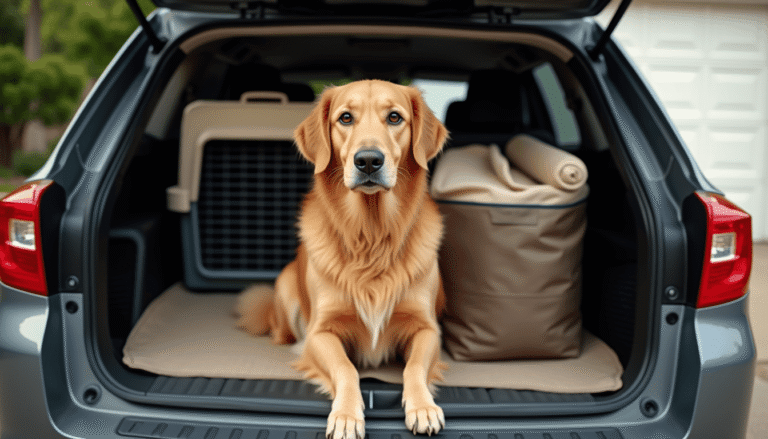
A secured crate can help if your dog finds it a calming, familiar space — the enclosed environment reduces visual input, which some dogs find settling. However, if your dog is crate-anxious, the added stress will likely worsen nausea rather than help it. A booster seat facing forward is often a better starting point for dogs that aren’t crate-trained for travel.
Start With One Change on the Next Short Drive
The most effective approach to how to help dogs with car sickness is to stack small changes — adjust the feeding window, reposition your dog to face forward, crack the window, and run a few short practice trips to enjoyable places before attempting a long haul. Pick one change for your next drive and build from there. Before you pack for a longer trip, our road trip packing checklist will make sure you haven’t left anything behind.