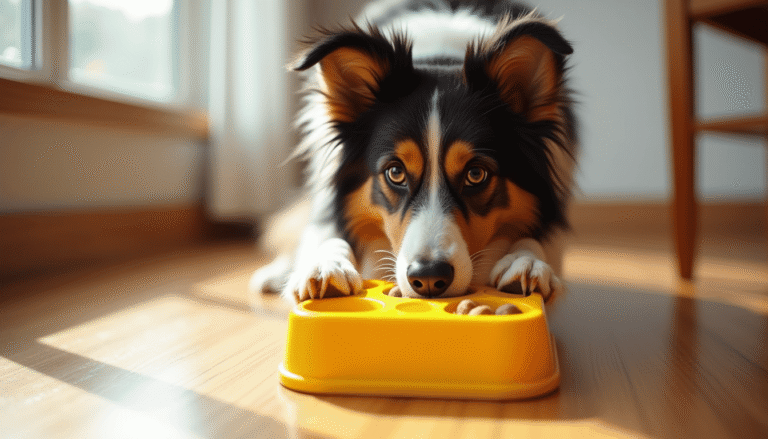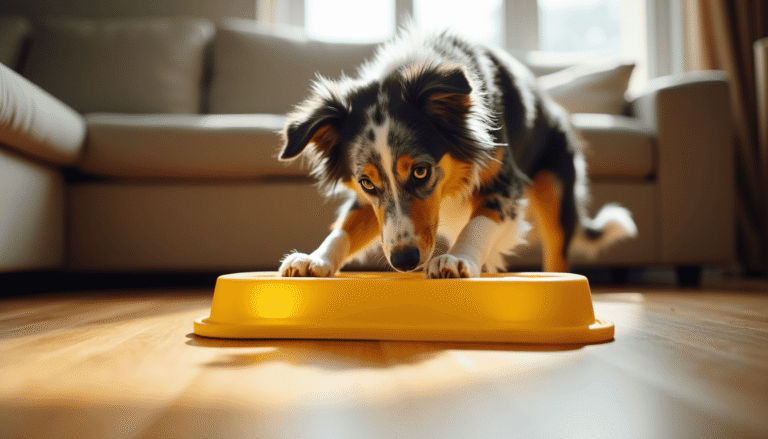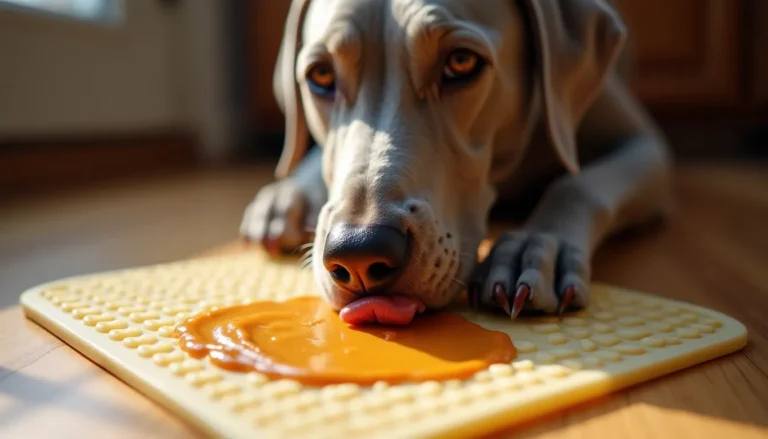
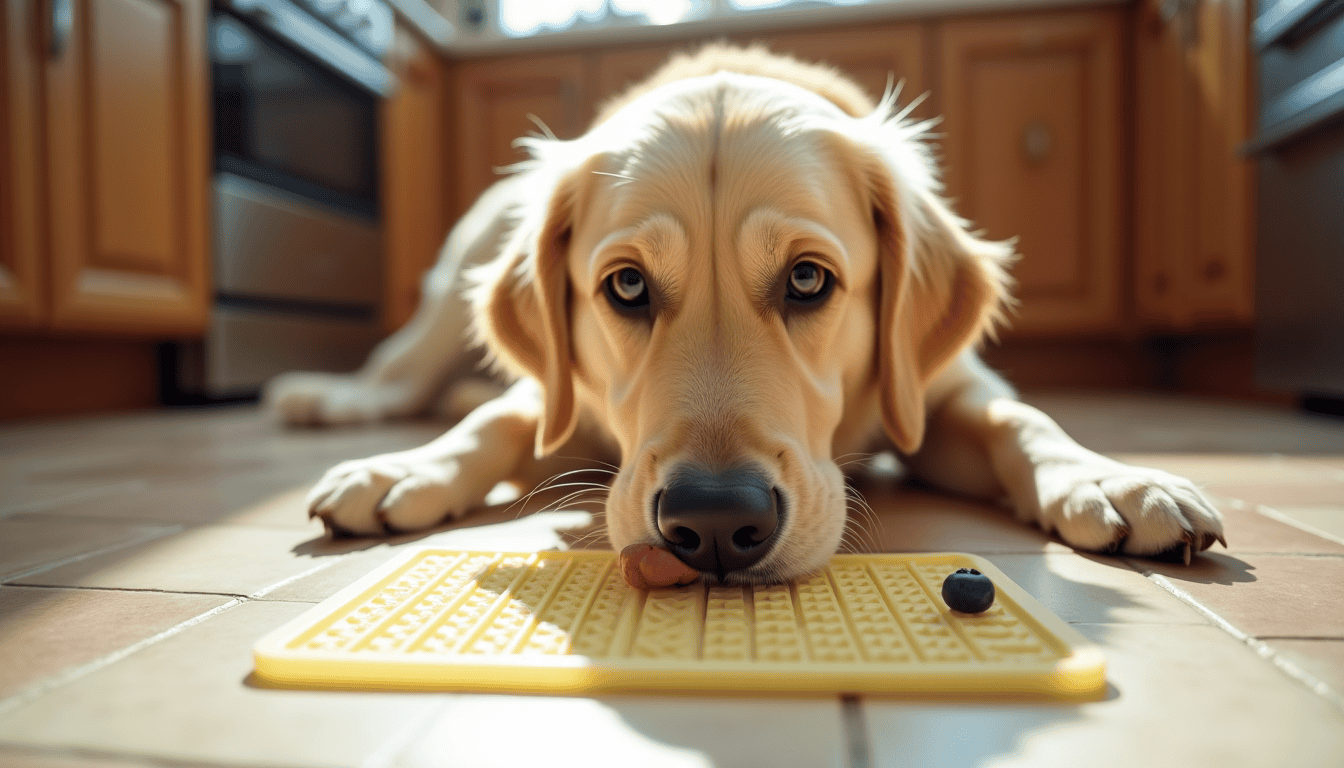
The best easy lick mat recipes for dogs are the ones you can throw together in under three minutes with what’s already in your fridge — no special shopping trip, no blender required. Your dog is pacing the kitchen, you’ve got a half-used container of plain yogurt and a banana going soft on the counter, and a lick mat is sitting in the drying rack. That’s the whole setup. This post gives you 12 recipes organized by what you probably already have, plus the safety rules that matter and the prep tricks that make these actually last.
Why Lick Mats Work (And What Makes a Filling Actually Good)
A lick mat earns its place because the repetitive licking motion triggers a calming response — the same reason dogs lick their paws when they’re anxious. The physical act slows the nervous system down. That’s the mechanism. What makes a filling good is a separate question, and it comes down to three things: spreadability, safety, and staying power.
Spreadability means the filling presses into the mat’s grooves and ridges rather than sitting on top. A thick paste works better than a runny liquid. Safety means knowing which foods cross into toxic territory for dogs — more on that in the next section. Staying power is about how long the mat keeps your dog occupied: a thin smear lasts 90 seconds; a frozen mat can go 15–20 minutes.
Aim for fillings that are at least 80% dog-safe whole food and no more than 10% high-value add-in (like a tiny drizzle of honey or a pinch of shredded cheese). This keeps the calorie count reasonable even if your dog gets a mat daily.
Texture matters more than flavor. Dogs with flat faces — pugs, French bulldogs — do better with thinner spreads because they can’t create the same suction as longer-muzzled breeds. Large dogs with powerful tongues can handle thicker, chunkier mixes. Small dogs and puppies benefit from softer fillings that don’t require a lot of jaw effort.
One practical note: if your dog finishes the mat in under two minutes every single time, the filling is too easy. Add a freeze step or press the mixture deeper into the grooves before serving.
Foods to Avoid — The Short Safety List
Before you start mixing, four ingredients show up in “dog-friendly” recipes online that are actually dangerous. Xylitol is the most urgent: it’s an artificial sweetener found in some peanut butters, yogurts, and flavored nut butters, and it can cause a rapid drop in blood sugar in dogs even in small amounts. Always read the label on any peanut butter before it goes near a lick mat.
The other three to keep off the mat entirely:
- Grapes and raisins — linked to kidney failure in dogs; the toxic dose isn’t well established, so any amount is a risk. (ASPCA lists them as a top food toxin.)
- Macadamia nuts — cause weakness, vomiting, and tremors.
- Onion and garlic — in any form, including powder; damages red blood cells over time.
Dairy is worth a mention separately. Plain, unsweetened yogurt and small amounts of cottage cheese are fine for most dogs. But dogs with lactose sensitivity will show it fast — loose stool within a few hours. If your dog has never had dairy, start with a teaspoon-sized amount on the mat and wait 24 hours before making it a regular ingredient.
When in doubt about a specific ingredient, check with your vet before adding it to the rotation. The recipes in this post stick to widely accepted safe foods, but individual dogs can have allergies or conditions that change what’s appropriate.
5 Easy Lick Mat Recipes for Dogs Using Pantry Staples
These five recipes use ingredients most households already stock. None require cooking. Prep time on each is under five minutes.
1. Peanut Butter and Banana
Mash half a ripe banana with one tablespoon of xylitol-free peanut butter until you get a thick paste. Spread it into the mat grooves with a butter knife. Freeze for 45 minutes before serving. The banana adds natural sweetness and potassium; the peanut butter gives it staying power.
2. Plain Yogurt and Blueberry
Spoon two tablespoons of plain, unsweetened Greek yogurt onto the mat. Press five or six fresh or frozen blueberries into the surface. Freeze solid — at least two hours — before giving it to your dog. The yogurt freezes into a firm base; the blueberries add texture variation that keeps dogs working longer.
3. Pumpkin and Peanut Butter
Mix one tablespoon of canned plain pumpkin (not pie filling — check that the only ingredient is pumpkin) with one tablespoon of peanut butter. This combination is particularly useful if your dog has occasional digestive sensitivity; pumpkin is high in soluble fiber. Spread and serve fresh or freeze for a longer session.
4. Cottage Cheese and Cucumber
Spread two tablespoons of plain low-fat cottage cheese across the mat. Press thin cucumber slices into the surface. Serve fresh — this one doesn’t freeze as cleanly. Good for hot days when your dog needs something cool without the full freeze commitment.
5. Applesauce and Oat
Use one tablespoon of unsweetened applesauce (no added sugar, no xylitol) mixed with a pinch of plain rolled oats. The oats thicken the spread so it stays in the mat’s grooves. Serve this one fresh rather than frozen — oats get an odd texture when thawed.
5 More Recipes for Dogs Who Need a Bigger Challenge
If your dog clears a basic lick mat in under three minutes, these fillings are denser, layered, or require more effort to extract. They work best frozen solid — plan at least two hours in the freezer before serving.
6. Sweet Potato and Coconut Oil
Mash two tablespoons of cooked, plain sweet potato with half a teaspoon of coconut oil. The fat content in coconut oil slows the freeze slightly, giving you a creamier texture that presses deep into mat grooves. Freeze overnight for the longest session.
7. Sardine and Cream Cheese
Drain one sardine packed in water (not oil, not in sauce), mash it with one tablespoon of plain cream cheese. This is a high-value filling — use it for vet prep, nail trims, or any situation where you need maximum focus from your dog. The smell is strong; the payoff is real. Freeze this one completely before use so the fish smell doesn’t hit the room all at once.
8. Carrot and Peanut Butter
Finely grate one small carrot and mix with one tablespoon of peanut butter. The carrot shreds create air pockets in the paste, making it harder to extract cleanly. Freeze for two hours. Good for dogs who’ve gotten fast at the simpler recipes.
9. Egg and Vegetable
Scramble one egg with no oil, no salt, no seasoning. Let it cool completely. Mix in a tablespoon of finely chopped steamed broccoli or green beans. Press into the mat and freeze. This is a protein-dense option — factor it into your dog’s daily food intake if you’re using it regularly. According to the AKC, plain cooked eggs are a safe, digestible protein source for dogs.
10. Banana, Peanut Butter, and Oat Layer
This is a layered version of recipe one. First layer: plain rolled oats mixed with a splash of water into a thick paste. Press into the mat. Second layer: mashed banana. Third layer: thin spread of peanut butter on top. Freeze solid. The layers come off at different rates, extending the session significantly.
Batch Prep: Make a Week’s Worth in 20 Minutes
Prepping one mat at a time gets old fast. The smarter approach is to prep five or six mats on Sunday evening and stack them in the freezer. Here’s the method that works without making a mess of your kitchen.
Line your mats on a baking sheet before you fill them — this lets you move them to the freezer as a single unit without spilling. Fill all the mats with the same recipe first, then add any toppings. Once they’re frozen solid (two to four hours), transfer them to a large zip-top freezer bag with parchment paper between each mat so they don’t stick together.
Label the bag with the recipe and the date. Lick mat fillings keep well for up to two weeks in the freezer. After that, texture starts to degrade and some ingredients (especially egg-based recipes) lose quality.
For households with multiple dogs, use different mat shapes or colors for each dog so you can track who gets what, especially if one dog is on a restricted diet. Silicone mats stack flat and take up minimal freezer space — a stack of six mats filled and frozen takes up about the same space as a quart-sized container.
If you’re short on freezer space, fresh fillings like the cottage cheese and cucumber or the applesauce and oat recipes can be prepped the morning of and stored in the fridge (unfilled) with the filling in a small container beside them, ready to spread at mealtime.
Our Picks
These are product categories worth having in your setup — the specific product within each category matters less than getting the right type.
- Silicone lick mat with suction-cup base — Stays put on tile or hardwood floors when your dog pushes against it, which matters once you’re using frozen fillings that require real effort to lick out.
- Flat-tipped silicone spatula set — Gets filling into the mat’s grooves more thoroughly than a butter knife, especially for textured mats with deep ridges or raised patterns.
- Stackable silicone freezer-safe tray — Lets you freeze multiple mats flat without them sliding around, and doubles as a prep surface when you’re filling several mats at once.
FAQ
Can I give my dog a lick mat every day?
Yes, for most dogs a lick mat once a day is fine — as long as you account for the calories in the filling as part of their daily intake. A tablespoon of peanut butter adds roughly 90–100 calories, which is meaningful for a small dog. Keep fillings small and adjust their main meals if needed.
What can I put on a lick mat for a dog with a chicken allergy?
Stick to recipes that use beef, fish, or plant-based proteins. Sardines in water, plain cooked ground beef, and egg (if egg isn’t also a trigger) all work well. Pumpkin, sweet potato, and plain yogurt are good non-protein fillings that are naturally chicken-free.
How do I get my dog interested in the lick mat if they ignore it?
Start with the highest-value ingredient your dog already loves — usually peanut butter or a meat-based filling — and serve it fresh rather than frozen. Some dogs need a few sessions to understand what the mat is for. Holding the mat still and letting your dog approach it on their own terms helps more than pushing it toward them.
Are lick mats safe for puppies under six months?
Yes, with modifications. Use very soft fillings — thin yogurt, mashed banana — and skip the freeze step entirely until the puppy is comfortable with the mat. Watch the first few sessions to make sure the puppy isn’t chewing on the mat itself, which is a risk with aggressive chewers regardless of age.
How do I clean a lick mat after a frozen filling?
Let it thaw for five minutes first — trying to scrub a frozen mat damages the silicone over time. Then soak it in warm water for two minutes and use a stiff-bristled brush to work the grooves. Most silicone lick mats are dishwasher-safe on the top rack, which is the easiest long-term solution.
Start With One Recipe This Week
Pick one recipe from this list — the peanut butter and banana is the lowest-barrier starting point — and make it tonight. Freeze it, give it to your dog tomorrow, and watch how long it lasts. That single data point tells you whether to stick with fresh fillings or go all-in on the freeze-ahead batch method. The easy lick mat recipes for dogs that work best are the ones you’ll actually make again, so start with what’s already in your kitchen. Once you’ve got a routine, running through the easy lick mat recipes for dogs in this list one by one is a straightforward way to find your dog’s favorites.