Dog Enrichment for High Energy Dogs: 7 Proven Ideas
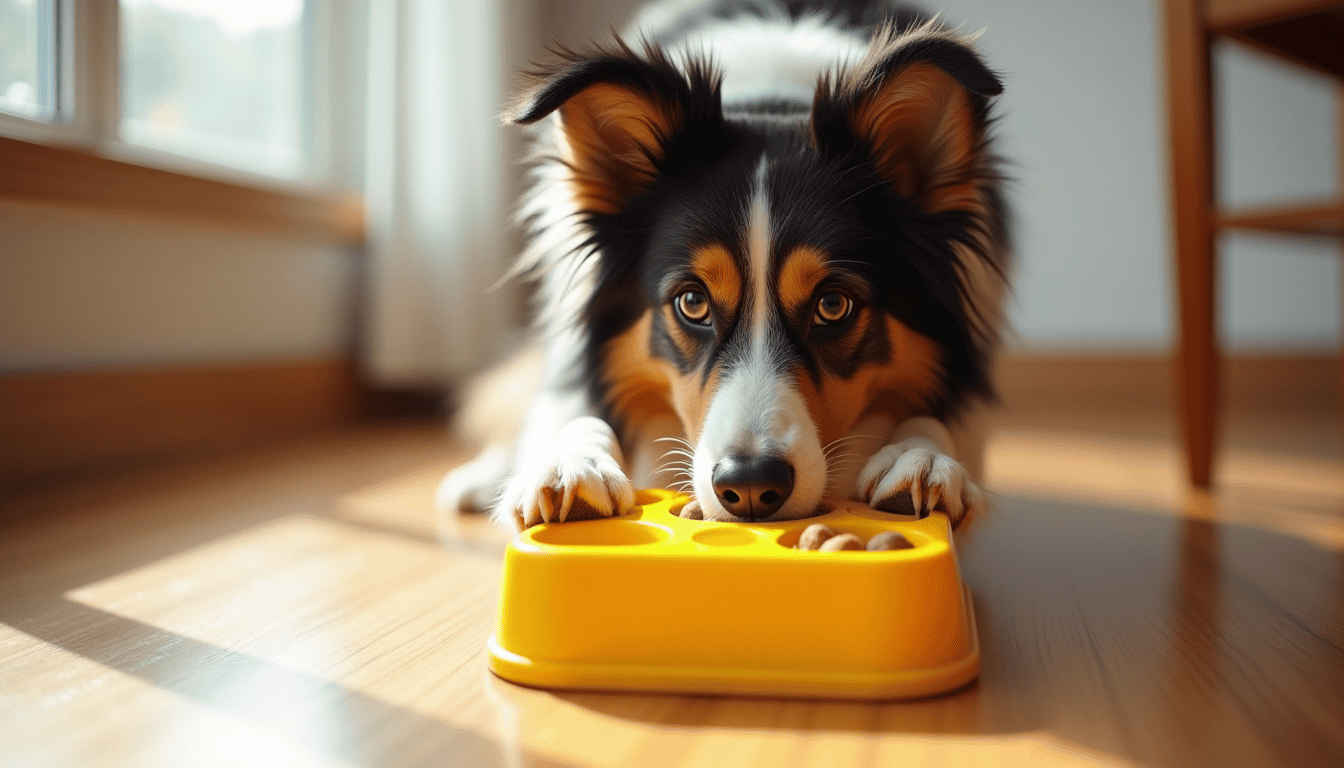
The best dog enrichment for high energy dogs isn’t the most expensive toy in the store — it’s the one that makes your dog think, sniff, or problem-solve until they finally flop down on the floor and stay there. If your Australian shepherd has been pacing the hallway since 7 a.m. or your lab has chewed through another throw pillow, you already know that a walk around the block doesn’t cut it. High energy dogs need mental load, not just mileage.
Why Physical Exercise Alone Leaves High Energy Dogs Wired
A 45-minute fetch session can actually backfire. Repetitive high-intensity cardio builds cardiovascular fitness, which means your dog needs more of it next time to feel the same effect. You’re training an athlete, not tiring one out. Border collies and Belgian Malinois are the clearest examples — owners who run them for an hour often report the dog coming home and immediately looking for the next job.
The missing piece is cognitive load. A dog using its nose to track a scent trail, or working through a multi-step puzzle feeder, recruits a different kind of energy than sprinting. AKC notes that mental stimulation can tire a dog out just as effectively as physical exercise — sometimes more so — because it engages problem-solving pathways that aren’t activated by simple movement.
This doesn’t mean stop the walks. It means stop treating walks as your only tool. Pair every physical outing with at least one mental activity the same day, and you’ll start to see a different dog by evening. The goal is a tired brain, not just tired legs.
Signs your dog needs more mental work:
- Destructive behavior that ramps up in the late afternoon
- Excessive barking at nothing in particular
- Inability to settle even after a long walk
- Redirecting energy onto you — pawing, mouthing, nudging
Nose Work: The Fastest Way to Drain a High Drive Dog
Hide a single piece of kibble under one of three overturned cups. That’s it — that’s the entry point for nose work, and a dog new to it will spend a focused 10 minutes working through the problem. Scale that up to hiding a handful of treats across three rooms, and you have a 20-minute activity that leaves most high energy dogs noticeably calmer.
Nose work taps into a dog’s primary sense and gives them a job with a clear payoff. It’s especially effective for breeds with strong prey or foraging drives: beagles, bloodhounds, labs, and German shepherds all tend to lock in immediately.
Starting Simple: The Muffin Tin Game
Place kibble or small treats in a few cups of a standard muffin tin, then cover all the cups with tennis balls. Your dog has to sniff out which ones have food and remove the balls. It takes about two minutes to set up and can be repeated with different hiding patterns to keep it novel.
Scatter Feeding on Grass
Instead of feeding from a bowl, toss your dog’s entire meal into a patch of grass and let them forage. This turns a 3-minute bowl meal into a 15-minute sniff-and-search session. Do this consistently for one week and compare your dog’s post-meal behavior to bowl feeding — the difference in calmness is usually immediate.
Graduated Hide-and-Seek
Once your dog understands “find it,” start hiding a favorite toy in increasingly difficult spots — behind a door, inside a paper bag, under a blanket. Keep the difficulty just above their current skill level so they succeed often enough to stay motivated but work hard enough to stay engaged.
Puzzle Feeders and Slow Feeders: Turning Mealtime Into Work
A standard food bowl delivers 2 cups of kibble in under 60 seconds. A Level 3 puzzle feeder — the kind with sliders, compartments, and rotating pieces — can stretch that same meal to 15 or 20 minutes. For a dog enrichment for high energy dogs routine, converting at least one meal per day into a puzzle session is one of the highest-return changes you can make.
Start with a Level 1 or Level 2 feeder if your dog has never used one. Putting a frustrated beginner in front of a complex puzzle causes them to give up or flip the toy over rather than engage with it. Let them win quickly at first, then introduce harder designs over two to three weeks.
Lick mats serve a different function than puzzle feeders. Spreading a thin layer of unsalted peanut butter, plain pumpkin puree, or plain Greek yogurt on a textured mat gives your dog a repetitive, calming sensory task. Freeze the mat for 30 minutes before giving it — this extends the session significantly and adds a mild temperature novelty that most dogs find engaging.
Rotate between three or four different feeders across the week. Dogs habituate quickly to the same puzzle, and a feeder that was challenging in week one becomes a 4-minute job by week three if you never change it up.
Training Sessions as Dog Enrichment for High Energy Dogs
Ten minutes of focused obedience or trick training burns more mental energy than most owners expect. A dog learning a new behavior — “place,” a hand-signal sequence, or a multi-step trick like “put your toys away” — is problem-solving in real time. That cognitive engagement is exactly what high energy dogs are craving when they’re bouncing off the walls.
The key word is new. Running through “sit, down, stay” for the hundredth time doesn’t challenge a dog who already knows those behaviors fluently. Always be working on at least one behavior your dog doesn’t fully know yet. The learning phase — not the performance phase — is where the mental work happens.
Short sessions outperform long ones. Three 5-minute sessions across a day are more effective than a single 15-minute block, because dogs (especially high drive ones) hit a point of diminishing returns quickly. End every session while your dog is still engaged and succeeding, not when they’ve checked out.
Good behaviors to work on with high energy dogs:
- Impulse control: “leave it,” “wait,” “off”
- Duration behaviors: holding a “down-stay” through distractions
- Chained tricks: multi-step sequences that require the dog to remember order
- Targeting: nose-to-hand, paw-to-target, follow a moving target
According to Fear Free Happy Homes, positive reinforcement training not only builds skills but actively reduces anxiety and stress in dogs — which is particularly relevant for high energy breeds that can tip into frustration or reactivity when under-stimulated.
Environmental Enrichment: Changing the Space, Not Just the Activity
Move your dog’s water bowl to a different room for a week. It sounds trivial, but novel environments and small spatial changes force dogs to re-engage their surroundings rather than moving through them on autopilot. High energy dogs in particular benefit from environments that change regularly.
Sniff walks — where your dog sets the pace and you follow their nose rather than maintaining a heel — are one of the most underused tools available. A 20-minute sniff walk where your dog investigates every blade of grass and fire hydrant they want delivers more mental stimulation than a brisk 45-minute structured walk. Designate at least two walks per week as “dog’s choice” walks where you follow their lead entirely.
Other environmental changes worth trying:
- Rotate which toys are accessible — keep only two or three out at a time, swap weekly
- Introduce new textures to walk on: gravel, sand, shallow water, mulch
- Rearrange furniture in a room your dog frequents — they’ll spend time re-mapping the space
- Add a window perch or raised platform so your dog can observe the yard from a new angle
Car rides to new locations — a different park, a new neighborhood, a pet-friendly hardware store — provide a burst of novel sensory input that structured backyard play can’t replicate. Even a 15-minute drive to somewhere new and back qualifies as environmental enrichment.
Our Picks
These three product categories consistently deliver results for high energy dogs. No brand names — these are categories to shop within based on your dog’s size and drive level.
- Multi-level sliding puzzle feeder — The compartment-and-slider design forces sequential problem-solving rather than random pawing, which keeps high drive dogs engaged longer than simpler designs.
- Rubber snuffle mat with deep-pile fabric channels — Deeper fabric channels make foraging harder than flat mats, extending scatter-feeding sessions for dogs who solve easy versions in under two minutes.
- Adjustable flirt pole with replaceable lure — For dogs with strong prey drive, a flirt pole delivers controlled chase-and-catch exercise in a small space, with the added benefit of requiring impulse control when you ask them to “drop it.”
FAQ
How much enrichment does a high energy dog need per day?
Most high energy breeds benefit from 45–90 minutes of combined mental and physical enrichment daily, broken into multiple sessions. That doesn’t mean 90 straight minutes of structured activity — scatter feeding at breakfast, a sniff walk midday, and a puzzle feeder at dinner can get you there without much extra effort.
Can too much enrichment overstimulate a dog?
Yes. Back-to-back high-intensity activities — especially those involving a lot of arousal, like tug or chase games — can push some dogs into an overtired, frantic state rather than a calm one. Balance high-arousal activities with calming ones like sniff work or lick mats, and watch for signs of overstimulation: inability to settle, excessive panting, or fixating on objects.
What enrichment works best for dogs with high prey drive?
Flirt poles, tug games with clear start-and-stop rules, and hide-and-seek with a toy rather than food tend to work best for prey-driven dogs. The key is giving the drive an outlet while building impulse control around it — so the dog learns to wait for permission to chase rather than going off on their own terms.
Is enrichment different for puppies versus adult high energy dogs?
Puppies have shorter attention spans and more fragile joints, so enrichment should come in 5–10 minute bursts and avoid high-impact physical activity. Mental enrichment — basic nose work, simple puzzles, short training sessions — is actually safer for puppies under 12 months than long runs or fetch marathons, and it builds habits that carry into adulthood.
My dog solves every puzzle feeder in under 5 minutes. What do I do next?
Move to Level 3 or Level 4 feeders, or create DIY challenges: hide kibble inside a loosely rolled towel, inside a crinkled paper bag placed inside a box, or frozen into a block of ice. You can also combine two puzzles — solve the first to earn access to the second. The goal is to stay just ahead of your dog’s current skill level.
Start Here
Pick one activity from this post and run it every day for five days before adding anything else. Dog enrichment for high energy dogs works best as a consistent routine, not a collection of one-off experiments. Start with scatter feeding at one meal — it costs nothing, takes 30 seconds to set up, and gives you an immediate baseline for how your dog responds to mental work before you invest in equipment.