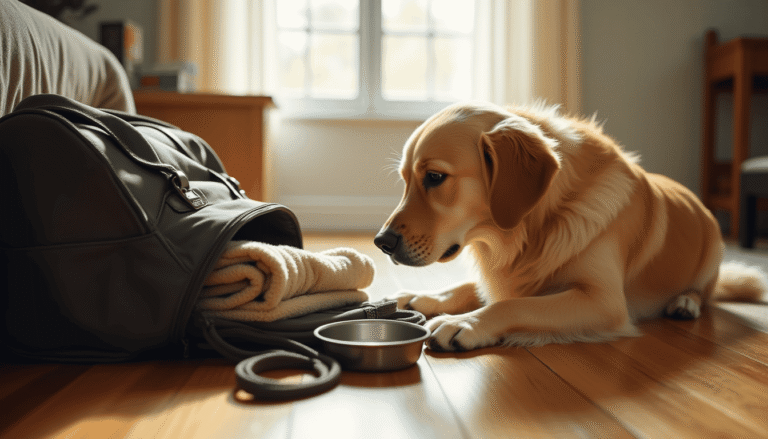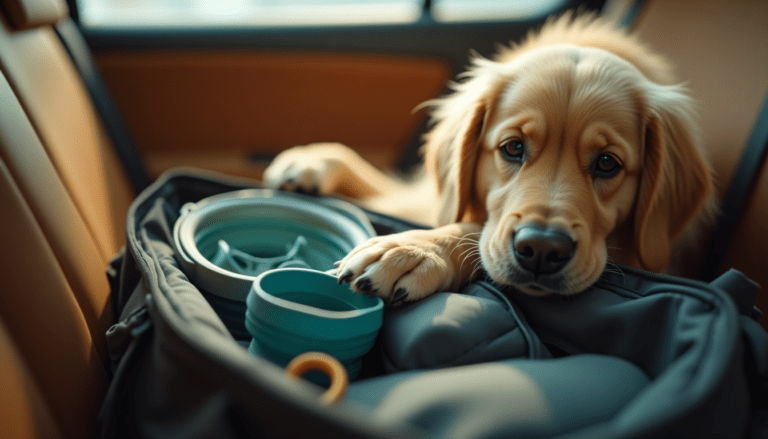
After reading dozens of dog travel water bottle reviews before a weekend trip to Shenandoah, I showed up with a bottle that leaked into my pack within the first mile. The trough was too shallow for my dog’s muzzle, the lock mechanism was fiddly with wet hands, and I ended up cupping water in my palm. That experience taught me more about what to look for than any product page ever could — so here’s what I actually learned.
The Feature That Most Dog Travel Water Bottle Reviews Get Wrong
Most reviews lead with capacity. Capacity matters, but the trough depth matters more. A 12-ounce bottle is useless if the integrated bowl is only half an inch deep and your dog has a 3-inch muzzle. Before anything else, measure from the tip of your dog’s nose to just below their eyes — that’s the minimum trough depth you need.
Beyond trough depth, here are the features worth scrutinizing:
- One-handed operation: You need to hold a leash, manage a trail map, or keep your dog from bolting toward a squirrel. If the bottle requires two hands to unlock, pour, and reseal, it will become a chore you skip.
- Leak-proof seal: Silicone gaskets degrade. Check whether replacement gaskets are sold separately for the model you’re considering — a bottle with no replacement parts available is a single-season investment at best.
- Wide mouth for refilling: Narrow spouts make refilling from a stream or spigot slow and messy. A mouth wide enough to fit two fingers speeds things up considerably.
- BPA-free materials: This is a baseline, not a selling point. AKC recommends avoiding plastics that can leach chemicals, especially when bottles sit in a hot car.
Run your finger along the trough rim before buying — sharp plastic edges can nick your dog’s tongue over repeated uses, particularly in cheaper injection-molded designs.
How Bottle Size Maps to Your Dog’s Weight and Trip Length
A 20-pound beagle on a 2-mile neighborhood walk needs roughly 3–4 ounces of water per mile in mild weather. A 70-pound lab on a 6-mile summer hike can need upward of 8 ounces per mile. Those numbers aren’t interchangeable, and neither are their bottles.
As a general framework:
- Under 25 lbs, short walks: 10–12 oz bottle
- 25–50 lbs, moderate hikes: 18–20 oz bottle
- 50+ lbs, long or hot-weather hikes: 25–32 oz bottle, or carry two smaller ones
Heat and humidity push those numbers up fast. ASPCA notes that dogs regulate body temperature almost entirely through panting, which means they lose moisture rapidly in warm conditions — far faster than humans do per unit of body weight.
If you’re packing for a multi-day road trip, water management becomes part of a larger kit. Our dog travel packing checklist covers how to slot a water bottle alongside food containers, waste bags, and first-aid supplies without overstuffing your bag.
Always bring 20% more water than you think you’ll need. Trails run long, rest stops get skipped, and your dog doesn’t tell you when they’re thirsty until they’re already behind on hydration.
Squeeze Bottles vs. Gravity-Fed Troughs: Which Style Fits Your Trip
There are two dominant designs in the portable dog water bottle market, and they suit different use cases almost completely.
Squeeze Bottles with Integrated Troughs
You squeeze the body, water flows into a trough attached to the cap, your dog drinks, and you release — unused water flows back into the bottle. These are compact, light, and work well for day hikes and urban walks. The drawback: the squeeze mechanism wears out faster than the bottle itself, and a cracked body means replacing the whole unit.
Gravity-Fed or Flip-Spout Designs
You flip open a spout and tilt the bottle. Water flows by gravity into a detachable bowl. These tend to have larger capacities and deeper bowls, making them better for big dogs or multi-hour outings. They’re heavier and bulkier but far more durable over time.
Collapsible Bottle-and-Bowl Combos
A separate collapsible silicone bowl paired with a standard water bottle gives you the most flexibility. You can refill the bottle at any water source and control pour rate precisely. The tradeoff is that it’s two items to keep track of instead of one. For car-based trips where weight isn’t a constraint, this combo is worth considering — especially if you’re already building out a full travel accessories kit for your dog.
Dog Travel Water Bottle Reviews: What Real Trips Reveal
Reading dog travel water bottle reviews written by people who only used a bottle in their backyard tells you almost nothing useful. The problems show up in the field: a lock that’s hard to open with gloves on in January, a trough that spills when your dog bumps it mid-drink on a rocky trail, a bottle that develops a faint plastic smell after a week in a hot car.
Here’s what consistent field use reveals that most reviews miss:
- Cleaning access is critical. A bottle with a narrow neck and an integrated trough is nearly impossible to clean thoroughly. Mold grows in the trough hinge within two weeks of regular use if you can’t get a brush in there.
- Weight distribution matters on a leash walk. A full 32-oz bottle hanging from a carabiner on your hip shifts your stride. Test the weight loaded before committing to a long trip.
- Color fades in UV. This sounds cosmetic, but UV degradation in the plastic also affects structural integrity over time. Darker bottles tend to hold up better in direct sun.
If you’re planning a longer road trip, think about where the bottle fits in your car setup. Keeping it accessible without digging through bags makes stops faster — something worth planning before you leave, not after. Our tips on traveling with your dog by car include how to organize a back-seat station that keeps water, snacks, and waste bags within reach.
How to Clean and Maintain a Dog Travel Water Bottle
A $25 bottle that lasts three years beats a $15 bottle you replace every six months. The difference is almost always maintenance.
After every trip, disassemble the bottle completely — cap, gasket, trough, and body — and wash each piece separately. Warm soapy water works for daily cleaning. Once a week with regular use, soak the trough and gasket in a 1:10 white vinegar and water solution for 20 minutes to prevent biofilm buildup.
Replace silicone gaskets at the first sign of cracking or discoloration. A compromised gasket is the most common source of leaks, and it’s a $2–$3 fix that most owners skip until the bottle fails entirely.
Let all parts air-dry fully before reassembling. Storing a bottle with any moisture trapped inside — especially in a closed bag or a warm car — creates the exact conditions mold needs. A small drying rack in your kitchen works better than a dish towel for getting into the trough crevices.
If your bottle has a filter element (some higher-end designs do), follow the manufacturer’s replacement schedule. A clogged filter reduces flow rate and can harbor bacteria even when the rest of the bottle looks clean.
Our Picks
These are product categories, not specific brands. Use them as a filter when you’re shopping.
- Wide-trough squeeze bottle with locking flip cap — The lock prevents accidental dispensing inside a pack, and a wide trough accommodates medium and large muzzles without spilling.
- Stainless steel gravity-pour bottle with detachable bowl — Stainless resists UV degradation and odor absorption, making it the most durable long-term option for frequent travelers.
- Collapsible silicone travel bowl paired with a wide-mouth insulated bottle — The insulated bottle keeps water cooler longer in summer heat, and the silicone bowl folds flat when not in use.
FAQ
How often should I offer my dog water during a hike?
Every 15–20 minutes is a reasonable starting point for moderate activity in mild weather. In heat above 80°F or on steep terrain, shorten that to every 10 minutes. Watch for heavy panting, slowing pace, or your dog seeking shade — those are signs they need water now, not at the next scheduled stop.
Can I use a human water bottle for my dog on trips?
You can, but it’s inefficient. Dogs can’t drink from a stream-style spout, so you’d need to pour water into a separate bowl, which means carrying two items anyway. A purpose-built dog bottle combines both functions and usually weighs less than a standard bottle plus a bowl.
Are plastic dog travel water bottles safe?
BPA-free plastic is generally considered safe for occasional use. For daily or high-heat use — like a bottle stored in a car — stainless steel or food-grade silicone is a better choice because plastic can leach trace compounds when repeatedly heated. Check that any plastic bottle is labeled food-safe, not just BPA-free.
What size water bottle should I bring for a dog under 20 pounds?
A 10–12 oz bottle covers most small dogs on walks up to 3 miles in mild weather. If you’re hiking in heat or going longer, bring a second small bottle or a 16 oz option. Small dogs overheat faster than large ones relative to body size, so err toward more water, not less.
How do I stop a dog travel water bottle from leaking in my bag?
First, check the gasket — even a small nick causes leaks under pressure. Second, make sure the lock or cap is fully engaged before packing; partial locks are the most common cause of in-bag leaks. Store the bottle upright when possible, and if leaking persists despite a good gasket and locked cap, the trough hinge may be warped and the bottle needs replacing.
What to Do Next
Pick one trip on your calendar — a weekend hike, a road trip, a regular trail walk — and use the sizing guide in this post to identify the right bottle capacity for your dog’s weight and that specific distance. Then run through the feature checklist (trough depth, one-handed operation, cleaning access) before you buy. The right bottle becomes invisible on a trip; the wrong one reminds you of itself every time you stop.