You’re twenty minutes into a two-hour drive when the drooling starts — the kind of thick, ropy drool that means you have about ninety seconds before your dog vomits on the back seat. If you’ve been searching for car sickness in dogs remedies at 11 p.m. the night before a road trip, you’re in the right place. Motion sickness is one of the most common travel complaints dog owners deal with, and it’s almost always fixable once you know what’s actually causing it.
Why Dogs Get Car Sick (It’s Not Just Anxiety)
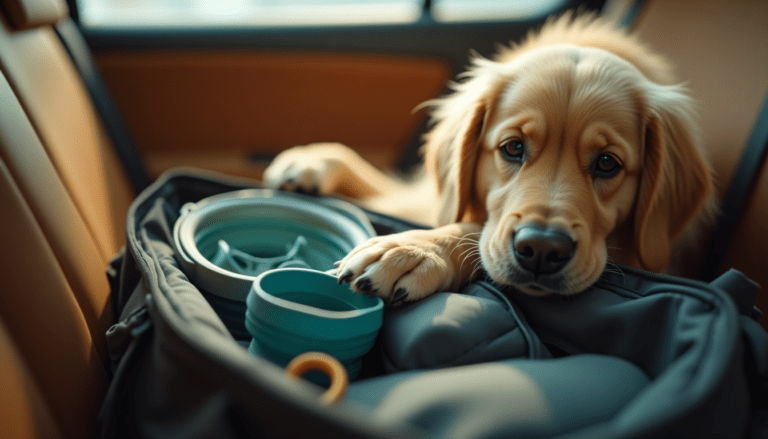
A 12-week-old puppy on its first car ride is almost guaranteed to feel nauseated — not because it’s scared, but because the inner ear structures that regulate balance aren’t fully developed yet. That’s the same reason children outgrow car sickness more often than adults do. The vestibular system in the inner ear sends signals to the brain about motion, and when those signals conflict with what the eyes are seeing (a stationary car interior), nausea kicks in. AKC notes that this vestibular mismatch is the primary driver of motion sickness in young dogs.
Anxiety makes it worse, but it’s a separate problem. A dog that has vomited in the car twice already has learned to associate the car with feeling terrible. That anticipatory stress raises cortisol, which further irritates the stomach — so what started as a physiological issue becomes a behavioral one layered on top. Treating only the anxiety without addressing the physical nausea won’t get you far.
Signs to watch for beyond vomiting:
- Excessive drooling or lip-licking
- Yawning repeatedly outside of a tired context
- Whining or panting that stops when the car stops
- Lethargy or “zoning out” during the ride
- Refusing to get in the car before the trip even starts
If your dog shows three or more of these, you’re dealing with genuine motion sickness, not just “being dramatic.”
Positioning and Environment Adjustments That Actually Help
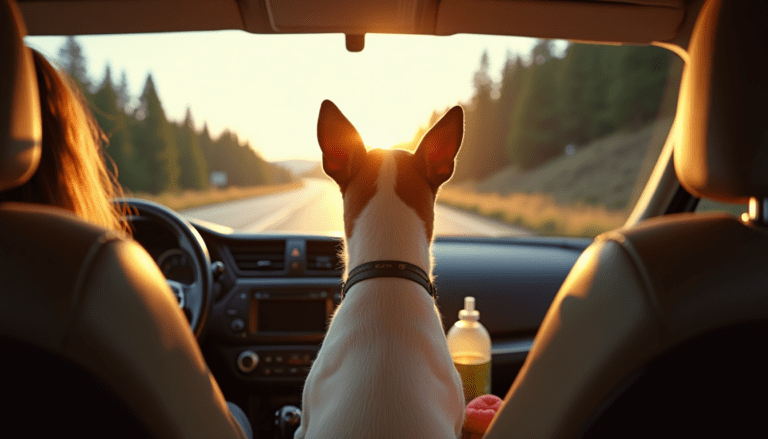
One simple fix — cracking a window two inches — reduces car sickness in a meaningful number of dogs. The reason: equalizing the air pressure inside the car with outside air helps stabilize the sensory input the dog’s vestibular system is processing. It also gives them a fresh scent stream, which engages the nose and redirects attention.
Beyond the window, placement in the car matters more than most owners realize:
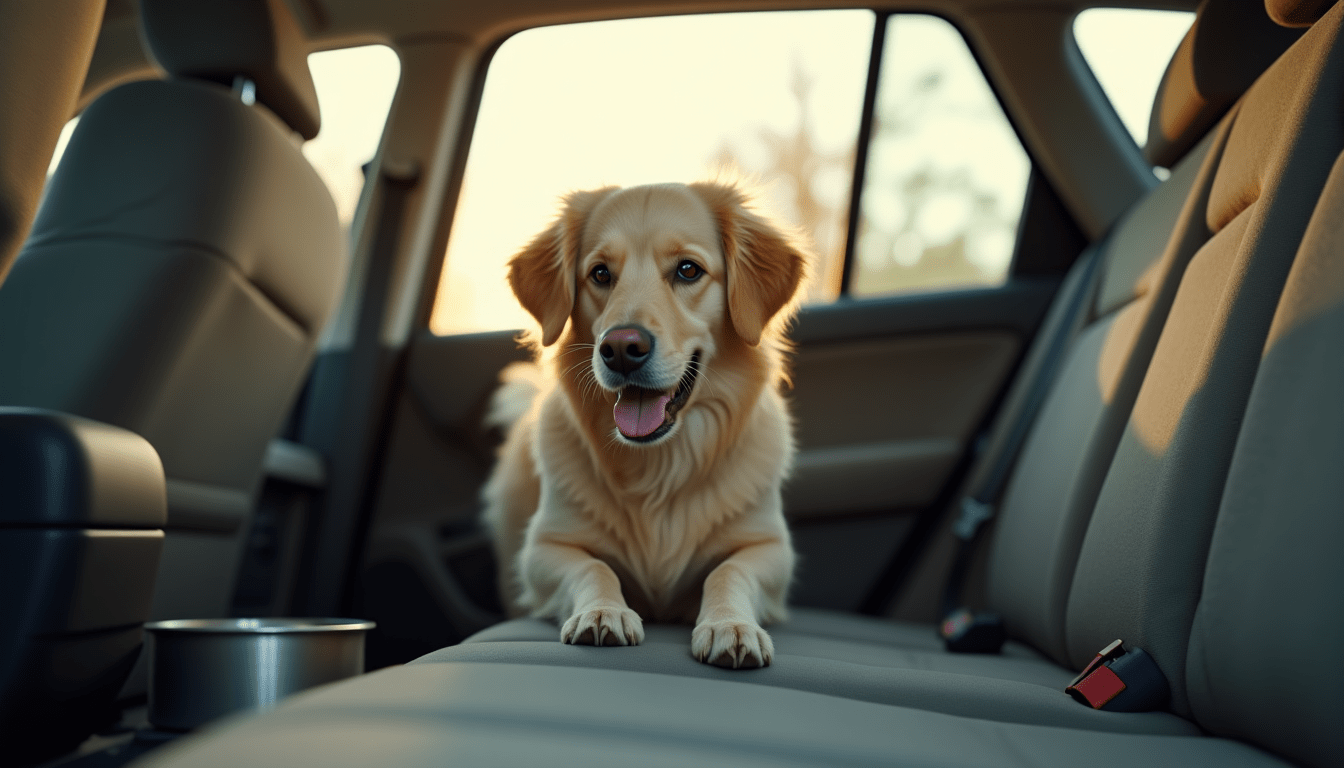
- Middle back seat or cargo area facing forward gives the dog a stable visual reference — the same reason front-seat passengers get less car sick than rear passengers.
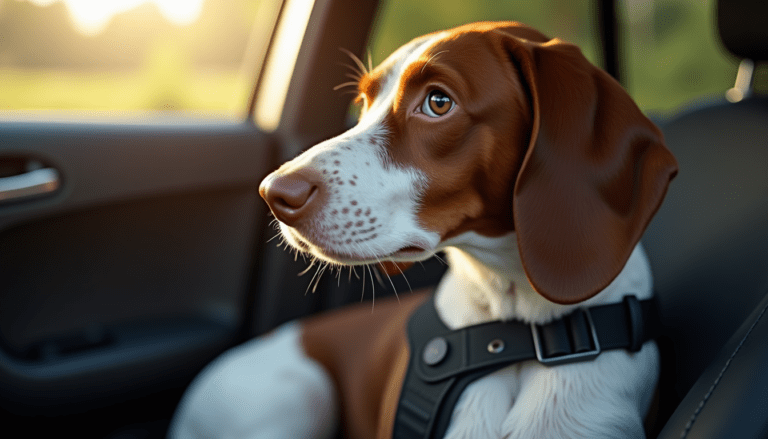
- Avoid letting your dog pace or move around freely. A secured position (via a travel-ready restraint system) means less conflicting motion input to the inner ear.
- Keep the car cool. Heat amplifies nausea. If your AC runs weak, bring a small battery fan.
- Cover or remove anything with a strong scent — air fresheners, fast food bags, gym gear. Smell sensitivity spikes when a dog is already queasy.
Block the side windows if your dog fixates on passing scenery. A simple clip-on window shade keeps their gaze more neutral and reduces the visual motion conflict. It sounds almost too simple, but it works for a lot of dogs.
Feeding Timing: The 3-Hour Rule Before Car Rides
A full stomach and a moving car are a bad combination. The stomach needs to be mostly empty for the dog to tolerate motion comfortably — most veterinary sources recommend withholding food for three to four hours before a car trip. Water is fine up until departure.
This doesn’t mean you should starve your dog before a long drive. Plan the feeding schedule around the trip:
- Feed a normal meal the night before.
- Skip or significantly reduce the morning meal if you’re leaving before noon.
- On multi-day trips, feed at rest stops after the dog has had 20–30 minutes to settle, not immediately after getting out of the car.
Small, bland treats during the ride — plain rice crackers, a few pieces of plain chicken — can actually help some dogs by keeping blood sugar stable without overloading the stomach. Ginger is worth mentioning here: it has a documented antiemetic effect in humans and is considered safe for dogs in small amounts. Ginger snap cookies or ginger chews made for dogs give you a natural buffer. Avoid anything with xylitol, which is toxic to dogs — check labels carefully on any human ginger product. The ASPCA lists xylitol as one of the most dangerous food toxins for dogs.
Desensitization: The Long Game for Chronic Car Sickness in Dogs Remedies
If your dog panics before the car even moves, a single remedy won’t fix it — you need a systematic desensitization program. Start with the car parked in the driveway, engine off. Feed your dog their meal inside the car. Do this for three to five days with no driving at all. The goal is to rebuild the car as a neutral or positive space before adding motion back into the equation.
From there, progress in small increments:
Stage 1: Engine On, No Movement
Run the engine for five minutes while your dog eats a high-value treat in their usual car position. Repeat daily for three to five sessions before moving to Stage 2.
Stage 2: Very Short Drives
Drive to the end of the block and back. Come home. Give a jackpot treat. The trip should be short enough that nausea never has a chance to develop. Gradually extend to five minutes, then ten, over the course of one to two weeks.
Stage 3: Destination Trips
Make the car predict something good — a trail walk, a visit to a dog-friendly park. Dogs that associate car rides with arriving somewhere fun tolerate the motion significantly better over time. Our full guide on traveling with your dog in a car covers how to build these habits across longer trips.
Don’t rush the stages. Skipping ahead because the dog “seems fine” is the most common mistake — it usually results in a setback that costs you another two weeks.
When to Talk to Your Vet About Medication
For dogs with severe motion sickness — the ones that vomit within five minutes regardless of what you try — behavioral fixes and ginger aren’t going to be enough. There are two categories of medication your vet may recommend:
Over-the-Counter Antihistamines
Diphenhydramine (the active ingredient in Benadryl) has mild antiemetic and sedative effects. Some vets recommend it for short trips. Dosing is weight-dependent and should be confirmed with your vet before use — the formulation matters, because some Benadryl products contain xylitol or other additives that are unsafe for dogs.
Prescription Options
Cerenia (maropitant citrate) is the only FDA-approved medication specifically for motion sickness in dogs. It works on the vomiting center in the brain rather than just sedating the dog, which means your dog stays alert and comfortable rather than groggy. It requires a prescription and should be given at least two hours before travel. If your dog’s car sickness is severe enough to make trips impossible, this conversation with your vet is worth having before your next road trip packing session.
Calming Supplements
For anxiety layered on top of nausea, some vets recommend L-theanine or melatonin as a low-risk adjunct. These won’t stop vomiting on their own but can reduce the anticipatory stress that makes the physical symptoms worse.
Our Picks
These three product categories address different parts of the car sickness problem — none of them are magic on their own, but paired with the strategies above, they close the gap.
- Ginger-based dog chews formulated for travel nausea — Deliver a measured dose of ginger without the guesswork of using human products that may contain harmful additives.
- Adjustable rear-seat dog travel hammock with headrest attachment — Keeps the dog centered and forward-facing, which reduces vestibular conflict better than a loose blanket on the seat.
- Clip-on rear side window shade for dogs — Blocks the fast-moving visual input from passing scenery, which is one of the simplest environmental fixes you can make before any drive. Also worth adding to your dog travel packing checklist.
FAQ
How long before a car trip should I withhold food from my dog?
Three to four hours is the standard recommendation for most dogs. Water is fine right up until departure. If your dog is prone to hypoglycemia (small breeds, puppies), check with your vet before fasting longer than three hours.
Can I give my dog Dramamine for car sickness?
Dimenhydrinate (Dramamine) is sometimes used off-label for dogs, but it requires vet guidance on dose and formulation. Some versions contain additives that aren’t safe for dogs. Cerenia is a more targeted option your vet can prescribe if over-the-counter options aren’t cutting it.
My dog only gets sick on long drives — does that change the approach?
Yes. For dogs that tolerate short trips but fall apart after 45–60 minutes, the issue is often cumulative vestibular fatigue. Scheduled stops every 45 minutes, with 10–15 minutes of walking before returning to the car, can reset the system. Medication may also be worth considering for trips over two hours.
Is car sickness in puppies different from car sickness in adult dogs?
Puppies are more susceptible because their inner ear isn’t fully mature. Many dogs do grow out of it between six months and one year. The risk is developing a negative association with the car during that window — which is why early, positive, very short car experiences matter even if the puppy gets mildly sick.
Can CBD help with dog car sickness?
There’s limited peer-reviewed research on CBD specifically for motion sickness in dogs. Some owners report it reduces anxiety, which can help with the behavioral component. It won’t address the vestibular mismatch directly. If you want to try it, use a product formulated for dogs with a clear COA (certificate of analysis) and loop in your vet.
The One Thing to Do Before Your Next Trip
Pick the single remedy that fits your timeline — if you leave in two days, that’s the feeding schedule and a window shade; if you have two weeks, start the desensitization protocol tonight. The biggest mistake owners make with car sickness in dogs remedies is trying four things at once and not knowing what worked. Start with one change, run it for three trips, then layer in the next. Your dog can get comfortable in a car — it just takes a deliberate sequence, not a pile of products.