
Finding the best travel bag for dogs is the first decision you’ll make before any trip — and it shapes everything that follows. The wrong bag means scrambling at the airport gate, a dog who won’t settle because the ventilation is poor, or supplies scattered across the back seat at every rest stop. Get it right and your dog has a reliable, familiar space whether you’re driving three hours or flying coast to coast.
Why Most Dog Travel Bags Fall Short
A standard soft-sided carrier from a big-box pet store looks fine on the shelf. In practice, three things tend to fail: the ventilation mesh is too thin to hold its shape when pressed against a seat, the shoulder strap digs in after twenty minutes, and the interior dimensions are listed at their absolute maximum — not their usable space once the padded floor insert is in place. That last point matters most. A bag that advertises 18 inches of length may only give your dog 15 usable inches once the rigid frame and padding are accounted for.
Before you buy anything, measure your dog from the base of their neck to the base of their tail, and add three inches. Then measure their standing height from the floor to the top of their shoulders and add two inches. These are your minimum interior dimensions — not the bag’s listed dimensions. If the product page doesn’t specify interior measurements, that’s a red flag worth noting in any best travel bag for dogs reddit thread, and it’s worth emailing the seller directly before purchasing.
The other common failure is ignoring the trip type. A bag built for a weekend road trip — with external pockets for food, collapsible bowls, and a leash clip — is a completely different tool from a bag designed to slide under an airplane seat. Buying one and hoping it does both usually means it does neither particularly well. Decide your primary use case first, then shop from there.
Also consider your dog’s temperament. A dog who is crate-trained and comfortable in enclosed spaces will tolerate a top-loading carrier with mesh sides. A dog with mild anxiety does better in a bag with a wider opening and more visual access to you — the open-top or convertible backpack styles that keep their head at your shoulder level tend to work better for those dogs.
Airline-Approved Dog Travel Bags: What to Know
Most major US carriers — Delta, United, American, Southwest — require your pet’s carrier to fit under the seat in front of you. That seat space is typically 17–18 inches wide, 11 inches tall, and 19–21 inches deep, but it varies by aircraft type. Always check the specific airline’s current pet policy before your flight date, because dimensions change when aircraft are swapped on a route. The AKC recommends confirming carrier dimensions directly with your airline rather than relying on third-party lists, which can be outdated.
A dog travel bag airline approved label on a product page is marketing language, not a certification. Airlines do not issue approvals in advance. What they do is measure your bag at the gate, and if it doesn’t fit under the seat, you have a problem. The safest approach: buy a bag whose exterior dimensions are at least one inch smaller than your airline’s stated limits on all three sides. That buffer accounts for the bag compressing slightly when your dog shifts their weight.
Soft-sided bags pass more easily than hard-sided ones because they compress. Look for bags with a collapsible top panel — these give your dog a bit more headroom during the flight while still fitting the under-seat profile when the panel is unzipped. Also check that the bag has a leash anchor point inside; most airlines require your dog to be secured within the carrier, not just placed inside it. If you’re planning to fly, our guide to flying with a dog in cabin covers the full pre-flight checklist in detail.
One more detail that gets overlooked: the bag’s ventilation needs to meet your airline’s requirements, but it also needs to actually keep your dog cool. Mesh panels on three sides — not just the front — make a real difference on a warm travel day or a delayed flight sitting on the tarmac.
Road Trip Bags vs. Carrier Bags: Choosing Your Format
A 60-pound Labrador and a 10-pound Chihuahua need completely different solutions, but even within the small-dog category, the right format depends on whether you’re driving or flying. Here’s how the main formats break down.
Soft-Sided Carrier Bags
These are the classic airline-compatible format — a structured rectangle with mesh panels and a shoulder strap. They work well for dogs under 20 pounds who are comfortable in enclosed spaces. The trade-off is limited storage; most have one or two small exterior pockets, not enough for a full day’s worth of supplies.
Backpack Carriers
Backpack-style carriers have become popular for dogs under 25 pounds. They keep your hands free, distribute weight across both shoulders, and many models now include a ventilated bubble window that dogs seem genuinely comfortable with. Look for backpacks with a chest clip and waist strap — without those, the weight pulls backward and becomes uncomfortable fast. Some backpack carriers also meet airline under-seat dimensions, making them a dual-purpose option worth considering.
Dog Travel Supply Bags
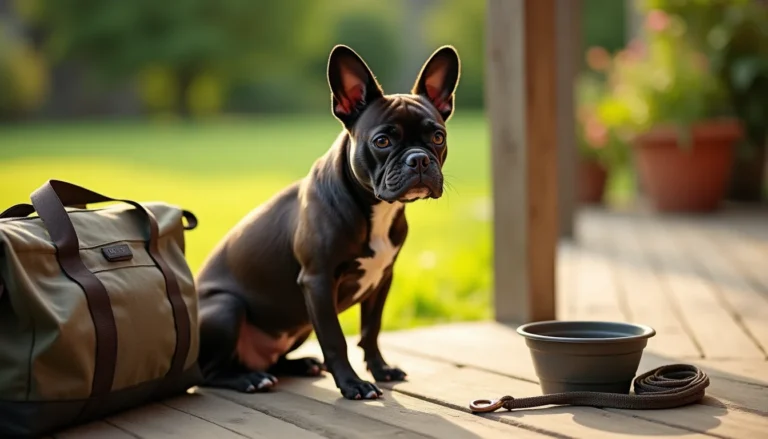
For road trips, a dedicated dog travel bag for food, water, medications, and gear is often more useful than a carrier. These are structured duffels or tote-style bags with compartments sized for kibble containers, collapsible bowls, waste bags, and a first-aid kit. They don’t carry your dog — they carry everything your dog needs. Pairing one with a good dog travel packing list means you’ll never arrive at the hotel missing something critical.
Wheeled Carriers
A dog travel bag with wheels is worth considering if your dog is on the heavier end of the cabin-travel weight limit (usually 20 lbs including the carrier) or if you have mobility limitations. They roll through airports easily and convert to a shoulder carry when needed. The downside is that they’re bulkier to store and the rigid frame means less flexibility fitting under seats.
Key Features That Actually Matter on the Road
Ventilation, structure, and storage are the three features that separate a bag you’ll use on every trip from one that stays in the closet after the first outing. Here’s what to evaluate before you buy.
- Ventilation mesh that holds its shape: Mesh that collapses inward when pressed against a seat back can restrict airflow. Look for mesh panels backed by a rigid frame or reinforced border.
- Non-slip bottom: A bag that slides across a car seat or airport floor is a stress trigger for your dog. Rubberized or grippy base material keeps the bag stable.
- Interior leash anchor: A short tether clip inside the bag prevents your dog from bolting when you open the top or front zipper in a crowded space.
- Washable liner: Motion sickness happens. A removable, machine-washable liner is not a luxury — it’s a practical necessity. If you’ve dealt with dog car sickness before, you already know this.
- Multiple access points: Top-loading and front-loading access lets you reach your dog without fully unzipping the bag. Useful at security checkpoints and vet waiting rooms.
- Exterior pockets sized for real items: A pocket that fits a waste bag dispenser but not a collapsible water bottle is only half useful. Check the pocket dimensions, not just the count.
Weight distribution matters more than most buyers realize. A fully loaded carrier — dog plus bag — can hit 20–25 pounds. A bag with a wide, padded shoulder strap and a sternum clip is significantly more comfortable over a long walk through an airport than a bag with a single thin strap.
The ASPCA notes that animals should always be able to stand, turn around, and lie down comfortably in any carrier. That’s the baseline — your dog’s comfort inside the bag should never be compromised for the sake of a sleeker profile or a lower price point.
How to Pick the Best Travel Bag for Dogs by Trip Type
Three scenarios cover most of what US pet owners actually do: flying with a small dog in-cabin, driving with a medium or large dog, and multi-day travel where supply organization matters as much as transport. Each calls for a different priority list.
Flying in Cabin
Your dog must stay in the bag for the entire flight — typically two to five hours for domestic routes. Prioritize ventilation, interior space, and a washable liner. Confirm exterior dimensions against your specific airline’s policy. Buy the bag at least two weeks before your flight and let your dog sleep in it at home — familiarity with the bag’s scent and feel dramatically reduces in-flight anxiety.
Road Trips
For car travel, your dog doesn’t need to stay in a carrier the whole time, but having a dedicated bag for their supplies keeps the car organized and makes rest stops faster. A structured supply duffel with a kibble compartment, a water bottle sleeve, and a first-aid section handles most road trip needs. Pair it with a proper restraint system — our guide to traveling with a dog in a car covers the safety side in full.
Multi-Day Trips and Hotel Stays
For longer trips, especially if you’re staying at pet-friendly hotels, a supply bag that doubles as an overnight kit is worth the investment. Look for a bag with a dedicated section for medications, a foldable food mat, and enough room for a small comfort item from home — a familiar blanket or toy helps your dog settle in an unfamiliar room faster than almost anything else.
Our Picks
These three categories cover the most common travel scenarios. Each link is a placeholder for an affiliate recommendation.
- Soft-sided airline-compliant carrier with three-panel mesh ventilation — The structured frame keeps the bag’s shape under seat pressure while the mesh on three sides prevents overheating on long flights.
- Convertible backpack carrier with bubble window and waist strap — Hands-free carry with a ventilated viewing window works well for dogs who get anxious when they can’t see you, and the waist strap makes it genuinely wearable for more than twenty minutes.
- Structured dog travel supply duffel with insulated food compartment — Dedicated sections for kibble, a collapsible bowl, medications, and waste supplies mean everything has a place and nothing gets lost at the bottom of a bag.
FAQ
What size travel bag do I need for a 15-pound dog?
Measure your dog from neck base to tail base (add 3 inches) and from floor to shoulder top (add 2 inches) — those are your minimum interior dimensions. For most 15-pound dogs, a bag with interior dimensions around 17″L x 10″W x 11″H works, but always measure your specific dog rather than going by weight alone. Dogs of the same weight can have very different builds.
Can I use the same bag for both flying and road trips?
Yes, if you choose carefully. A soft-sided carrier that meets airline under-seat dimensions can also work as a car carrier or a supply bag on road trips. The limitation is storage — airline carriers prioritize compact size over pocket space, so you may want a separate supply bag for longer drives.
How do I know if a dog travel bag is actually airline approved?
No bag is pre-certified by airlines — “airline approved” is a marketing claim, not an official designation. Check the bag’s exterior dimensions against your specific airline’s current pet policy (found on their website under “traveling with pets”), and aim to be at least one inch under the limit on all sides. Soft-sided bags that compress slightly are safer bets than rigid ones.
What should I pack in a dog travel bag for a weekend road trip?
The essentials are: enough food for the trip plus one extra day, a collapsible water bowl and a water bottle, waste bags, a leash and backup collar, any medications, a copy of vaccination records, and one familiar comfort item from home. A full breakdown is in our road trip packing list if you want a printable version.
Is a backpack carrier or a shoulder carrier better for small dogs on flights?
It depends on the dog and the flight length. Backpack carriers keep your dog close to your body, which many dogs find calming, and they’re easier to manage through security. Shoulder carriers are typically lighter and more compact. For flights over two hours, the backpack style tends to be more comfortable for both dog and owner — the weight distribution makes a real difference over time.
What to Do Next
Measure your dog today — length and height — and write those numbers down before you look at a single product page. Every other decision about the best travel bag for dogs flows from those two measurements. Once you have them, cross-reference with your airline’s current policy if you’re flying, or decide whether a carrier or a supply bag fits your road trip style better. Start with the right dimensions and the rest of the choice becomes straightforward.