Booking pet friendly hotels usa wide used to mean scrolling through fine print at midnight, hoping the “pets welcome” badge didn’t come with a $200 non-refundable fee buried on page three of the confirmation email. It doesn’t have to be that way. This guide walks you through exactly what to look for, what to ask before you book, and how to make any hotel stay genuinely comfortable for your dog — not just technically allowed.
1. Pet-Tolerant vs. Pet-Welcoming: A $150 Difference
A “pet-tolerant” hotel charges a nightly pet fee, assigns you a ground-floor smoking-adjacent room, and asks that your dog never be left unattended. A “pet-welcoming” hotel has a dog-walking map at the front desk, keeps a water bowl in the lobby, and waives the fee for dogs under 25 lbs. That gap is real, and it affects your entire stay.
The fastest way to tell them apart before you book: call the front desk directly and ask two questions. First, “Is the pet fee per night or a flat fee?” Flat fees are almost always lower. Second, “Are pets allowed in all room types, or only specific ones?” A hotel that has genuinely thought about pet guests will answer both without hesitation.
Always confirm the pet policy in writing — a screenshot of the booking page or a confirmation email — before you check in. Verbal assurances at the front desk don’t protect you if there’s a dispute at checkout.
Chains like Kimpton, La Quinta, and Loews have published pet policies that are consistent property to property. Independent boutique hotels vary wildly. Neither is automatically better, but knowing which type you’re dealing with helps you set expectations. For a broader look at what to pack before you even reach the hotel, our road trip packing checklist covers the supplies that make the drive and the destination work together.
2. What to Ask Before You Book Any Pet Friendly Hotel
The booking page says “pets welcome.” The confirmation email says “up to 2 pets, 50 lbs max, $25/night.” The actual front desk tells you the weight limit is per pet and that large dogs are restricted to first-floor rooms with exterior entry only. All three things can be simultaneously true at the same property.
Here’s what to verify before your card is charged:
- Weight and breed restrictions: Some properties ban specific breeds regardless of size or temperament. Pit bull mixes, Rottweilers, and Dobermans are commonly listed. Ask explicitly.
- Number of pets allowed per room.
- Whether pets can be left alone in the room, and for how long.
- Whether there’s a designated outdoor relief area — and where it is relative to your room.
- Whether the fee is refundable if the room shows no damage.
If you’re traveling with a dog who gets anxious in new environments, ask about room location specifically. A room next to the elevator or ice machine is a rough night for a noise-sensitive dog. Fear Free Happy Homes has solid guidance on managing travel anxiety in dogs, including environmental factors that most owners don’t think to control.
3. How to Set Up Your Hotel Room So Your Dog Settles Fast
Most dogs take 20–40 minutes to settle in an unfamiliar room. You can cut that in half with a consistent setup routine — same steps, same order, every hotel.
Bring Their Bed or a Familiar Blanket
Hotel bedding smells like industrial detergent and 200 previous guests. Your dog’s own blanket smells like home. Lay it in the same corner of every room you stay in, and your dog starts to learn that corner means “this is our place.” It takes two or three trips before the association clicks, but it does click.
Use a Portable Crate or Travel Pen
If your dog is crate-trained at home, bring the crate. A collapsible fabric crate packs flat and gives your dog a defined space in an undefined environment. Set it up before you unpack anything else — it signals to your dog that the room is being claimed, not just visited.
Manage the Scent Environment
Wipe down the lower 18 inches of the room — baseboards, chair legs, the side of the bed frame — with a damp cloth before letting your dog explore. This removes the scent of previous animals, which can trigger stress sniffing that lasts hours. It also protects you from a damage claim if a previous guest’s pet left something behind that your dog then chewed.
4. The 5 Items That Prevent Hotel Damage Fees
A single scratched door or a urine spot on carpet can cost you $200–$500 in damage fees. Five items prevent nearly all of them, and they all fit in a small dry bag.
- A waterproof mattress protector: Lay it over the hotel duvet. If your dog sleeps on the bed, this is non-negotiable. A single accident on a hotel mattress is a replacement charge, not a cleaning fee.
- A door scratch guard (adhesive plastic panel) for the inside of the door if your dog paws at exits when anxious.
- An enzymatic cleaner in a small spray bottle — for accidents before housekeeping sees them.
- A portable water bowl that collapses flat — hotels rarely have one, and a dog drinking from the toilet is a health issue worth avoiding.
- A white noise app or small travel speaker — helps mask hallway sounds that trigger barking.
Our dog travel packing list goes deeper on each of these categories, including size-specific recommendations for large versus small dogs.
5. Finding Pet Friendly Hotels USA Travelers Actually Rate Highly
The difference between a hotel that tolerates pets and one that pet owners rate highly on review platforms usually comes down to three things: outdoor space, flooring, and staff attitude. Carpeted rooms are harder to clean and hold odor longer — a dog who had an accident three guests ago left something behind. Ask for a room with hard flooring when available.
When reading reviews, search the property name plus “dog” or “pet” on Google rather than relying on the booking platform’s filter. Real guest reviews surface things like “the ‘pet area’ is a 4-foot strip of gravel between the parking lot and the dumpster” — details that don’t show up in the official amenity list.
Chains with consistently strong pet policies as of recent years include:
- Kimpton Hotels — no weight or breed restrictions, no pet fee at most properties.
- La Quinta by Wyndham — pets stay free, though policies vary slightly by franchise location.
- Loews Hotels — dedicated “Loews Loves Pets” program with amenity kits and pet menus at select locations.
- Aloft Hotels — generally pet-friendly with moderate fees and urban locations that suit city-walking dogs.
Always verify the specific property’s policy, not just the brand’s general policy — franchise locations can and do deviate from corporate standards. The AKC maintains travel resources that include tips on verifying pet policies and understanding your rights as a pet owner traveler.
If you’re driving to your destination, the logistics of the car ride matter as much as the hotel. Our guide on traveling safely with your dog in the car covers restraint systems, rest stop timing, and how to spot signs of motion sickness before they become a problem.
Our Picks
These three product categories make pet friendly hotel stays significantly smoother. Links below are placeholders for affiliate partners.
- Waterproof quilted travel blanket with machine-washable cover — lays over hotel bedding to protect the mattress and gives your dog a consistent scent anchor across every property you visit.
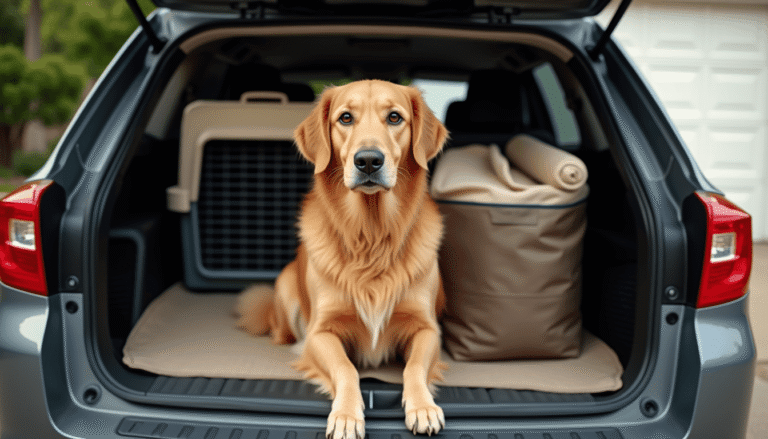
- Collapsible soft-sided travel crate with carry handle — packs flat in a duffel, sets up in under two minutes, and gives crate-trained dogs a defined space in an unfamiliar room without the bulk of a hard crate.
- Enzymatic pet stain and odor spray in a 4 oz travel bottle — small enough for a carry-on, strong enough to neutralize accidents on carpet before housekeeping arrives and before a damage claim is filed.
FAQ
Do pet friendly hotels charge a fee even if my dog doesn’t damage anything?
Most do. The pet fee — whether nightly or flat — is typically a cleaning surcharge, not a damage deposit, so it’s usually non-refundable regardless of the room’s condition at checkout. Some properties distinguish between a refundable pet deposit and a non-refundable pet fee; ask which applies before you book.
Can hotels legally ban specific dog breeds in the USA?
Yes. Hotels are private property and can set their own pet policies, including breed restrictions. This is separate from service animal law — a legitimate service dog cannot be denied based on breed. If you have a breed commonly listed on restriction lists, call ahead and ask directly rather than assuming the general “pets welcome” policy covers your dog.
What happens if I leave my dog alone in a hotel room and they bark?
Most pet-friendly hotels require that pets not be left unattended, or limit alone time to a specific window (often 4 hours or less). If your dog barks and disturbs other guests, you can be asked to leave without a refund. Bring a white noise machine, use a crate if your dog is crate-trained, and notify the front desk with your cell number so they call you before escalating.
Are hotel pools or hot tubs ever open to dogs?
Rarely, and usually only at boutique properties with a dedicated dog-friendly outdoor area. Standard hotel pools are regulated by state health codes that prohibit animals. A handful of resort properties have separate “dog pools” — these are worth searching for if swimming is part of your dog’s routine, but they’re the exception, not the rule.
How do I find last-minute pet friendly hotels without hidden fees?
Use a pet-specific filter on booking platforms (BringFido, GoPetFriendly, or the pet filter on Hotels.com), then call the property directly before booking to confirm the fee structure. Last-minute bookings through third-party platforms sometimes don’t transmit pet flags to the hotel, which can cause problems at check-in. Booking direct with the hotel for last-minute stays reduces that risk.
The One Thing to Do Before Your Next Trip
Before you finalize any reservation at pet friendly hotels usa travelers recommend, call the property — not the booking platform — and ask three questions: what’s the exact pet fee, are there breed or weight restrictions, and can pets be left alone in the room. That five-minute call eliminates 90% of the unpleasant surprises that turn a good trip into a stressful one. Book the room, then start packing your dog’s bag with the same intention you pack your own.