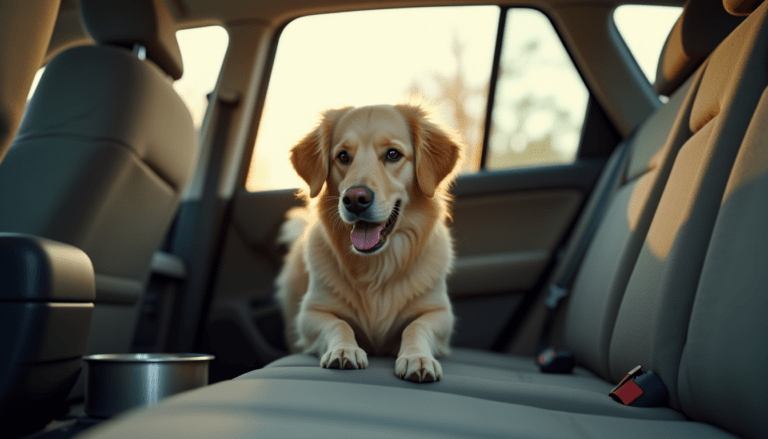
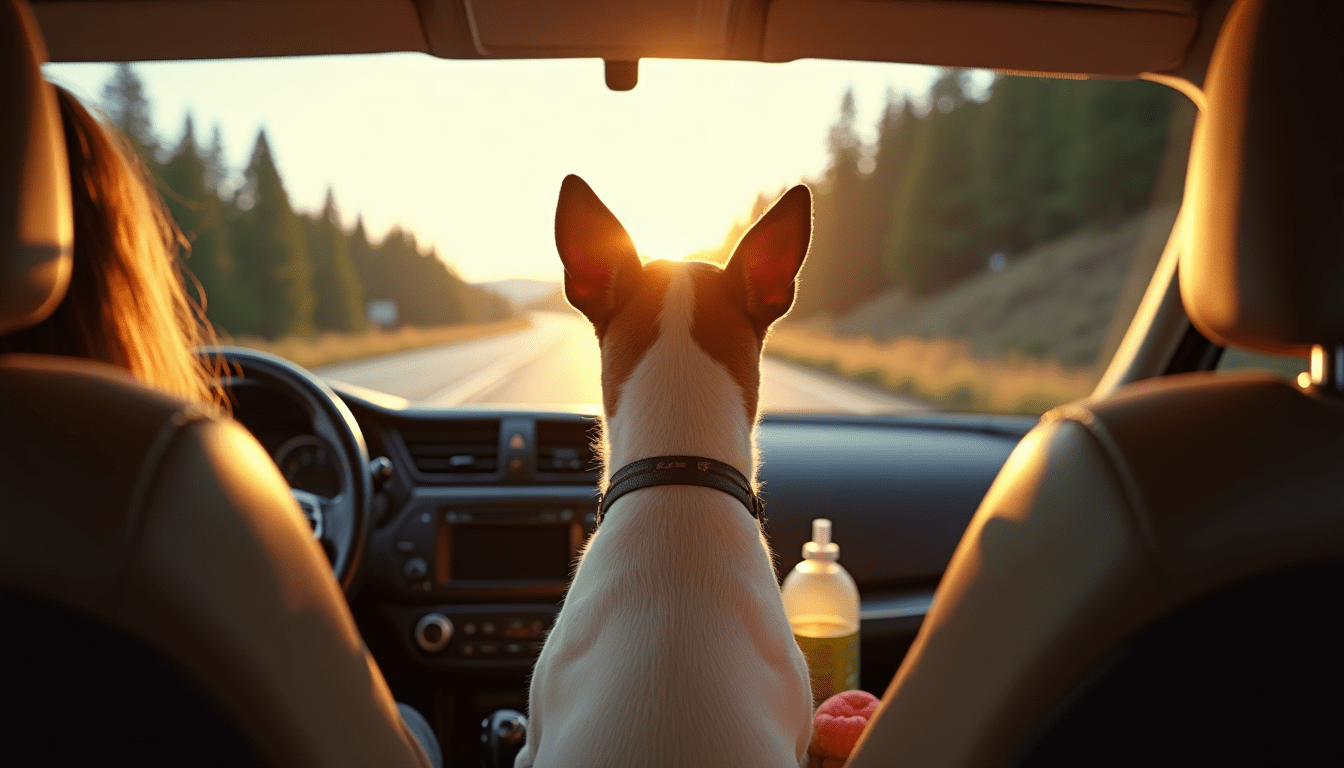
Knowing how to keep your dog calm on a road trip starts before you ever turn the key — specifically, with what you do the morning of departure. Your dog doesn’t understand suitcases or departure times, but they read your energy and routine perfectly. A frantic pack-and-go sends anxiety straight up the leash. A deliberate pre-trip routine — exercise, familiar smells, a settled crate — sets the tone for every mile that follows.
Start With a 45-Minute Morning Exercise Window
A tired dog is a quieter passenger. On the morning of a long drive, aim for at least 45 minutes of real physical output — not a slow neighborhood sniff, but a fetch session, a trail run, or a swim if your dog tolerates water. This isn’t about exhausting them into submission; it’s about burning off the cortisol spike that comes with a disrupted routine.
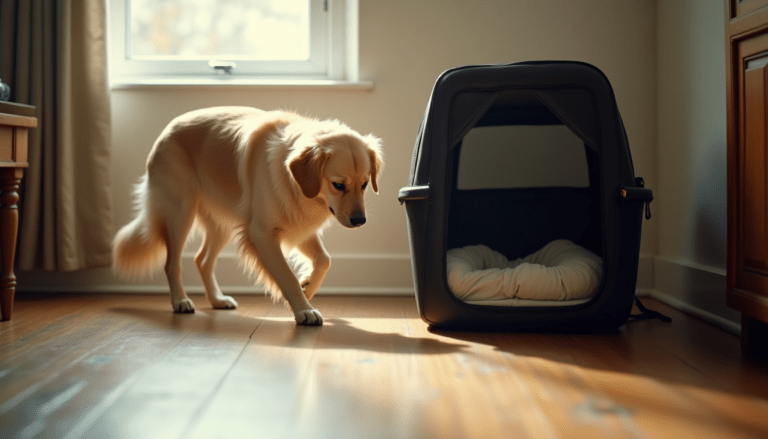
If your dog is crate-trained, feed breakfast inside the travel crate that morning. This one habit alone reframes the crate as a normal, safe space rather than a signal that something unusual is happening. Place a worn t-shirt or a piece of your bedding inside the crate — familiar scent is one of the fastest ways to lower a dog’s heart rate in an unfamiliar environment.
Skip the big meal right before loading up. A full stomach plus motion is a reliable recipe for nausea, and nausea feeds anxiety. If your drive is under four hours, a light snack two hours before departure is plenty. For longer trips, check our guide on car sickness remedies — nausea and anxiety often travel together and need separate solutions.
One more thing: keep your own energy neutral during loading. Dogs are extraordinarily good at reading tension. If you’re rushing and stressed, your dog will match it. Load the car the night before if you can, so departure morning feels like any other walk to the car.
Set Up the Car to Keep Your Dog Calm on Road Trips
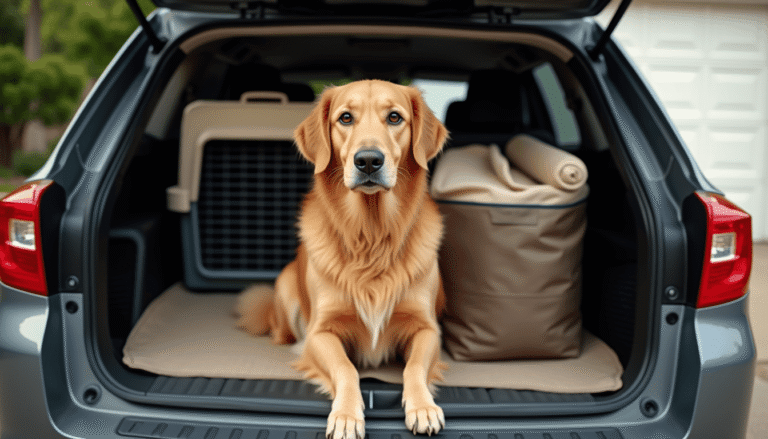
A dog loose in a back seat has nothing to brace against and nowhere to settle. That physical instability — sliding on every turn, no walls to lean into — keeps the nervous system on alert for the entire drive. A secured crate or a bolted travel harness gives your dog something to push against, which is physically and psychologically grounding.
Position the crate so your dog faces forward or to the side, never backward — rear-facing can worsen motion sickness. Cover three sides of the crate with a light blanket to reduce visual overstimulation from passing scenery. Leave the front panel open so air circulates and your dog can see you, which matters more than most owners realize.
Temperature
Keep the car between 68–72°F. Dogs regulate heat through panting, and panting in an already-anxious dog creates a feedback loop that’s hard to break. Crack a window slightly if the AC isn’t reaching the back seat.
Sound
Loud music or talk radio adds to sensory load. A low-volume classical or reggae playlist (yes, there’s ASPCA-referenced research on calming music for dogs) keeps the cabin quieter without dead silence, which some dogs find unsettling.
Scent
A few sprays of a dog-specific calming pheromone spray on the crate bedding — applied 15 minutes before loading — can reduce anxious behaviors. These are synthetic versions of the calming pheromones nursing mothers produce, and while they don’t work on every dog, they’re safe and worth trying before committing to stronger interventions.
Use Occupiers, Not Just Distractions
A frozen stuffed chew toy, loaded the night before and kept in the freezer, gives your dog something to do with their mouth and focus. Chewing releases endorphins and lowers cortisol — it’s one of the most reliable self-soothing behaviors dogs have. A rubber toy packed with a mix of peanut butter and banana, then frozen solid, typically keeps a medium-sized dog occupied for 20–40 minutes.
The key word is “frozen.” A room-temperature stuffed toy gets finished in four minutes and leaves your dog with nothing to do for the next three hours. Bring two frozen toys per four hours of driving, and hand them off at rest stops rather than all at once.
Long bully sticks or single-ingredient chews (like dried sweet potato or beef trachea) work well for dogs who don’t tolerate dairy-based fillings. Avoid rawhide on car trips — it softens and becomes a choking risk when you can’t monitor closely.
For dogs who are too anxious to chew at all — they just hold the toy and pant — the issue is likely above the threshold where occupiers help. That dog needs the calming aids and vet conversation covered in the next section first.
Know When Calming Aids Are Actually Worth It
Over-the-counter calming aids range from genuinely useful to expensive placebos. Here’s a practical breakdown based on what has documented mechanisms behind it:
- Melatonin (0.1 mg/kg, 30 minutes before departure): Widely used by vets for mild situational anxiety. Check with your vet on dose — some dogs need more, and xylitol-free formulas are non-negotiable.
- Pheromone collars or sprays: Useful for mild to moderate anxiety. Best applied 15–30 minutes before exposure to the stressor.
- Calming wraps (pressure vests): Work well for some dogs, do nothing for others. If your dog already wears one at home during thunderstorms and it helps, bring it. If you’ve never used one, a road trip isn’t the moment to test it.
- Prescription anti-anxiety medication: For dogs with severe car anxiety, a conversation with your vet about trazodone or gabapentin is worth having before a long trip. AKC notes that these medications are best trialed at home first so you know how your dog responds before adding the stress of travel.
Skip the “calming treats” with no active ingredients beyond chamomile and hope. They’re not harmful, but they’re not doing much either. Spend that money on a better chew toy.
Plan Rest Stops Like You Mean It
Every 2–2.5 hours, stop for at least 10 minutes of real movement — not just a bathroom break on a parking lot median. Find a patch of grass, a trail head, or a dog-friendly rest area where your dog can sniff freely and decompress. Sniffing is neurologically exhausting in the best way; five minutes of off-leash sniffing in a new environment does more to reset a dog’s stress than a longer walk on a tight leash.
Always leash your dog before opening the car door, even if they’re crate-trained. Rest stops are disorienting — unfamiliar sounds, truck traffic, other dogs — and a spooked dog in an unfamiliar place is a dangerous situation. Keep a slip lead clipped to the crate door so it’s always within reach.
Offer water at every stop, not just when your dog seems thirsty. Anxious dogs often don’t drink enough in the car, and dehydration compounds stress. A collapsible silicone bowl takes up almost no space and makes this easy. Before your next trip, it’s worth building out your complete dog travel packing list so gear like this is already packed and ready to go.
If you’re stopping overnight, check your hotel’s pet policy in advance. Many pet-friendly properties have size or breed restrictions that aren’t obvious until check-in. Our rundown of pet-friendly hotels across the US covers which chains are genuinely dog-accommodating versus just technically allowing pets.
Our Picks
These three product categories consistently make the biggest difference for anxious car travelers:
- Crash-tested travel crate with ventilated side panels — a crate rated for vehicle impact keeps your dog physically secure and gives them walls to lean into, which reduces the postural instability that feeds anxiety on long drives.
- Frozen-fillable rubber chew toy with deep cavity — the deeper the cavity, the longer the freeze holds and the longer your dog stays occupied; this is the single highest-ROI item for managing in-car restlessness.
- Pheromone-infused calming collar with 30-day release — unlike sprays that wear off in an hour, a collar delivers consistent pheromone exposure for the duration of a multi-day trip without any re-application.
FAQ
How long can a dog ride in a car before needing a break?
Most adult dogs do well with stops every 2–2.5 hours. Puppies, senior dogs, and anxious dogs benefit from shorter intervals — closer to 90 minutes. Always factor in temperature; in warm weather, more frequent stops are a safety issue, not just a comfort one.
Should I sedate my dog for a long road trip?
Full sedation is generally not recommended for car travel because it can impair a dog’s ability to balance and regulate body temperature. Mild prescription sedatives like trazodone are different — they reduce anxiety without knocking the dog out completely. Talk to your vet at least a week before the trip so you can do a trial dose at home first.
Why does my dog pant and drool in the car even on short trips?
Panting and drooling are classic signs of both anxiety and motion sickness, and the two often overlap. If it happens even on 10-minute drives, motion sickness is a likely contributor. Your vet can prescribe anti-nausea medication specifically for dogs, which sometimes resolves the anxiety symptoms entirely once the physical discomfort is treated.
Is it better for my dog to be in a crate or a harness in the car?
For anxious dogs, a crate is generally better — the enclosed space feels more den-like and reduces visual overstimulation. A crash-tested harness clipped to a seat belt is a solid option for calm dogs who don’t travel well in confined spaces. Whichever you use, make sure it’s rated for vehicle impact, not just walking restraint.
Can I give my dog Benadryl to calm them in the car?
Diphenhydramine (the active ingredient in Benadryl) does have a mild sedating effect in dogs and is sometimes recommended by vets for travel anxiety. The correct dose is approximately 1 mg per pound of body weight. Always confirm with your vet first, and make sure the product contains only diphenhydramine — some formulations include xylitol or decongestants that are toxic to dogs.
The One Thing to Do Before Your Next Trip
If you take one action after reading this, make it a practice run. Load your dog into the car with their crate set up exactly as it will be on the real trip, drive 20 minutes, stop somewhere new for a 10-minute sniff break, and drive home. Do that twice in the week before departure. Dogs that have a recent positive car memory — even a short one — handle how to keep dog calm on road trip challenges significantly better than dogs who only see the car on moving day. Start there, and the rest of these strategies will land much more effectively.