10 Best Scent Work Games for Dogs at Home
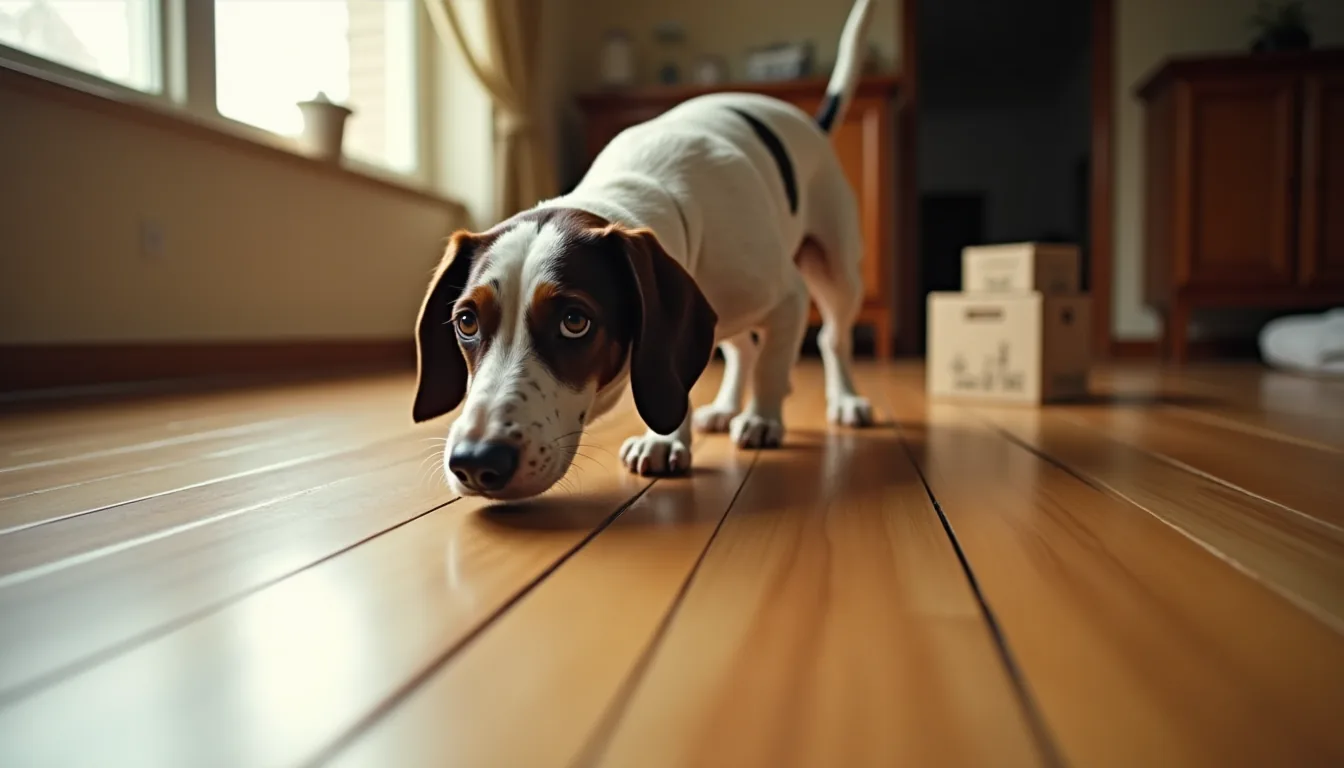
The best scent work games for dogs at home start with something as simple as a closed fist and a piece of kibble — and your dog’s nose does the rest. If your dog has been pacing, barking at nothing, or nudging you every twenty minutes, the problem usually isn’t lack of exercise. It’s lack of mental work. Ten minutes of nose work can settle a restless dog more effectively than a thirty-minute walk, and you need almost nothing to get started.
Why Nose Work Exhausts Dogs So Efficiently
A dog’s nose contains roughly 300 million olfactory receptors — compared to about 6 million in a human. Processing all that scent information requires serious mental effort. AKC notes that scent work engages a dog’s brain in a way that few other activities can match, because the dog must actively problem-solve, not just react. That sustained concentration is what makes your dog genuinely tired, not just physically worn out.
Think of it this way: a brisk walk lets your dog move their body on autopilot. A scent search forces them to hold a mental picture of a target odor, filter out background smells, and navigate toward a source — all at once. That’s closer to a puzzle than a treadmill.
On days when outdoor time is limited, even a 10-minute sniff session indoors can reset a dog’s mood and energy level. If you’re already using snuffle mat activities to slow your dog down at mealtimes, nose work is a natural next step — it uses the same instinct but scales up the challenge.
The mental fatigue from scent work is real and measurable: dogs typically rest longer after a focused nose-work session than after the same duration of fetch. That’s not a coincidence. Scent processing is metabolically expensive for the brain, and dogs feel it.
5 Scent Work Games for Dogs at Home (Beginner)
Start with these five games before you introduce any formal nose work equipment. They require nothing more than treats, a few household objects, and a willing dog.
1. The Which-Hand Game
Hold a small treat in one closed fist. Present both fists to your dog. Wait. When your dog noses or paws the correct hand, open it and reward. Keep sessions to 10 repetitions maximum — the goal is success, not endurance. Once your dog is getting it right 80% of the time, start presenting your fists farther apart to make the scent discrimination harder.
2. The Muffin Tin Shuffle
Place treats under a few tennis balls in a standard muffin tin. Let your dog sniff out which cups are loaded. Gradually load fewer cups so the search takes longer. This is one of the best scent games for dogs when you have five minutes and a bored dog staring at you from across the room.
3. Three-Cup Shell Game
Line up three identical cups or containers. Hide a treat under one. Let your dog find it. Once they’re reliable, add a fourth cup and slow down the reveal so the scent has time to settle. Resist the urge to point — let your dog work it out independently.
4. Treat Scatter in Grass or Carpet
Toss a handful of small treats into a patch of grass or a shaggy rug and let your dog forage. This is one of the most underrated and completely free scent work games for dogs at home — it mimics natural foraging behavior and requires zero setup. For puppies, keep the scatter area small and use high-value treats so they stay engaged. If you’re looking for more mental stimulation ideas for puppies, scatter feeding is a great starting point.
5. Box Search
Set out five to eight cardboard boxes on the floor, open side down. Hide a treat under one. Let your dog move through the boxes freely. Once they indicate the right box (by pawing, nosing, or sitting), reward immediately. Rotate which box holds the treat so your dog can’t rely on visual memory.
How to Teach Scent Work at Home: The Core Method
Formal nose work training uses a specific target odor — typically birch, anise, or clove essential oil — on a cotton swab inside a perforated tin. But you don’t need that to start. Here’s a progression that works for most dogs in two to three weeks of short daily sessions.
Week 1: Odor Introduction
Choose one consistent scent — a specific herb like dried rosemary works fine for home practice. Place a small amount in a tea strainer or mesh bag. Let your dog sniff it freely, then immediately reward. Repeat until your dog visibly brightens when they smell it. Never force your dog’s nose toward the scent — passive introduction builds a positive association faster.
Week 2: Simple Hides
Hide the scented bag in easy spots: behind a chair leg, under the edge of a rug, on a low shelf. Release your dog with a consistent cue word — “find it” is common. Reward the moment they locate the source, not when they look at you for confirmation. The nose touches the source; the reward follows immediately.
Week 3: Expanding the Search Area
Move the search to a different room. Add elevation hides — on chair seats, window sills, low shelves. Introduce the concept of “searching” a whole space rather than a single object. At this point, most dogs start working independently and purposefully rather than wandering. This progression pairs well with other indoor enrichment strategies if you want to build a full daily routine.
5 More Scent Work Games for Dogs at Home (Intermediate)
Once your dog understands the concept of searching for a target odor, these five games add meaningful challenge without requiring a full nose work class.
6. Scent Trails
Drag a treat or scented cloth along the floor in a winding path, ending at a jackpot reward. Let your dog follow the trail from start to finish. Gradually extend the trail length and add turns. Outdoor scent games for dogs work especially well with this format — a trail through a backyard or park gives your dog a much longer, richer scent picture to follow.
7. Named Object Search
Teach your dog the name of a specific toy, then hide it in another room and send them to find it. This combines scent discrimination with vocabulary — a double cognitive load that tires dogs out quickly.
8. Container Lineup
Set out a row of identical containers — small cardboard boxes or metal tins. Only one contains the target scent. Your dog must move down the line, check each container, and indicate the correct one. This mirrors formal nose work competition setups and is excellent practice if you ever want to try a AKC Scent Work trial.
9. Room Searches
Hide three to five scented targets in a single room. Your dog must find all of them before the session ends. Keep a count so you know when the search is complete. This teaches persistence — your dog learns that the job isn’t done until every hide is found.
10. Person Search
Have a family member hide somewhere in the house with a high-value treat. Send your dog to find them. This is a crowd favorite because it involves the whole household and gives the dog a huge social reward at the end. It’s one of the most engaging best scent work games for dogs at home for families with kids.
Our Picks: Gear That Makes Scent Work Better
You don’t need equipment to start, but these three product categories make it easier to scale up once your dog is hooked.
- Snuffle mat with varied pile heights — the uneven texture creates micro-pockets that hold scent longer, forcing your dog to work harder than a flat surface.
- Perforated metal scent tins with locking lids — purpose-built for odor hides, these let you standardize your target scent and move cleanly between containers without cross-contamination.
- Adjustable-difficulty treat puzzle box — once your dog is reliable on open-container searches, a puzzle box adds a physical barrier between the dog and the reward, requiring scent identification before any pawing or pushing.
FAQ: Scent Work Games for Dogs
What is a simple scent game for dogs that anyone can start today?
The which-hand game is the simplest entry point — hold a treat in one closed fist, present both hands, and let your dog sniff out the correct one. It requires no equipment, takes two minutes, and immediately engages your dog’s nose. Once your dog is reliably correct, move to the muffin tin game for more complexity.
What is the 7-7-7 rule for dogs?
The 7-7-7 rule is a socialization guideline suggesting that puppies benefit from experiencing 7 different surfaces, 7 different locations, and 7 different people (or novel experiences) within their first weeks of life. It’s a framework for broad early exposure, not a specific nose work protocol. Scent work games can be part of that varied experience — introducing different odor environments counts as novel stimulation.
What is 10 minutes of sniffing equivalent to for a dog?
A commonly cited comparison is that 10 minutes of active sniffing provides mental fatigue roughly equivalent to an hour of physical exercise — though this varies by dog and intensity of the sniff work. The reason is that scent processing is cognitively demanding: the brain has to sort, identify, and localize odor molecules continuously. Most owners notice their dog rests more deeply after a focused sniff session than after a walk of the same duration.
How do I teach my dog scent work at home without a trainer?
Start with a consistent target odor — a specific herb or a drop of essential oil on a cotton ball works fine. Pair the odor with a food reward repeatedly until your dog shows clear interest when they smell it. Then hide the odor in easy spots and release your dog with a cue like “find it.” Gradually increase hide difficulty over two to three weeks. Short sessions of 5-10 minutes are more effective than long ones — nose work is tiring, and a dog that finishes wanting more will stay motivated.
Are scent games suitable for puppies, and at what age can I start?
Puppies can start basic scent games as early as 8 weeks old — their noses are fully functional from birth. Keep sessions under 5 minutes, use tiny soft treats, and stick to very easy hides at ground level. Avoid strong essential oils with very young puppies; mild food scents or a favorite toy work better. The goal at this age is building a positive association with searching, not precision.
Start With One Game Tonight
Pick the which-hand game or the muffin tin shuffle — whichever you have materials for right now — and run one five-minute session before your dog’s dinner. Scent work games for dogs at home don’t require a course, a kit, or a large space. They require a dog with a nose, which you already have. If you want a broader framework for keeping your dog mentally occupied, our guide to enrichment activities worth trying covers the full picture. Start tonight, keep it short, and watch how differently your dog settles afterward.