Dog Enrichment for Senior Dogs: 12 Simple Ideas
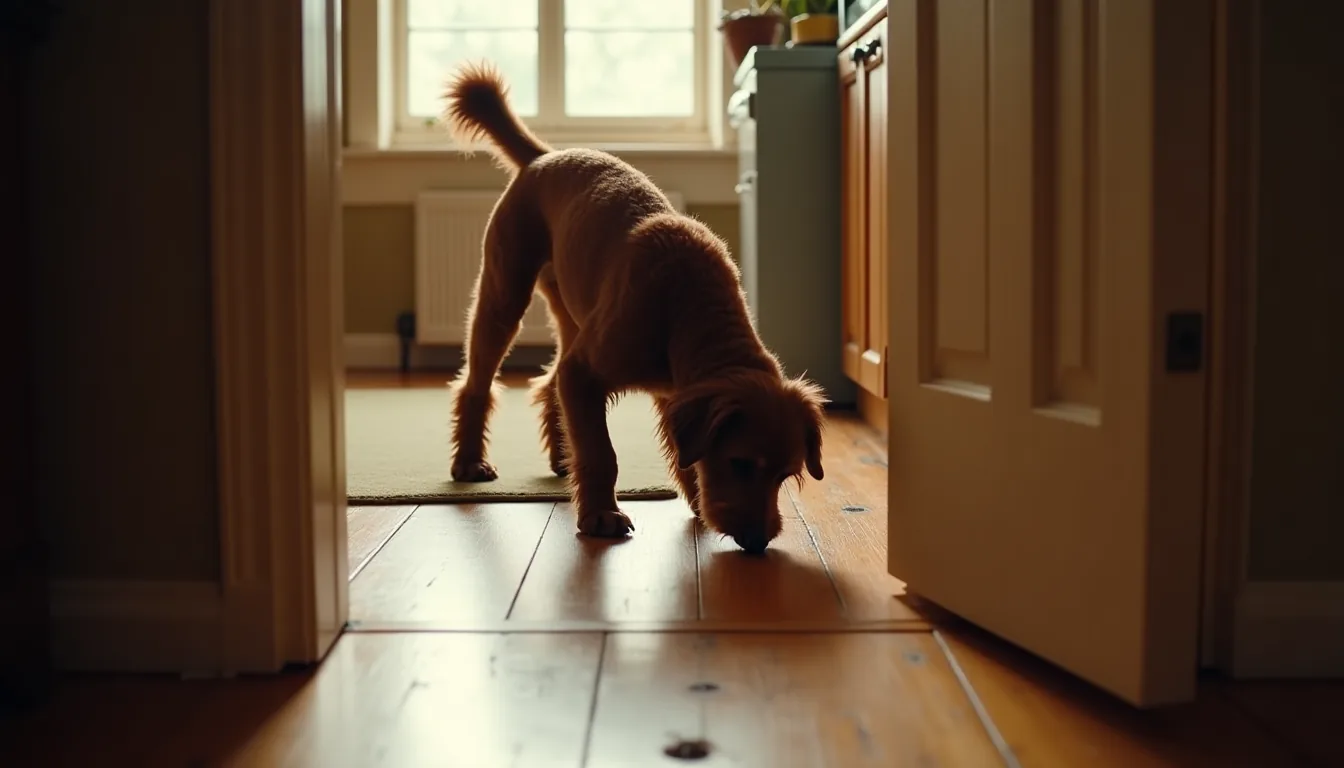
Dog enrichment for senior dogs looks different at 10 than it did at 3 — your dog may be slower on the stairs, less interested in a tennis ball, and sleeping twice as long — but the need to sniff, solve, and engage hasn’t gone anywhere. In fact, keeping an older dog’s brain active is one of the most practical things you can do to support their quality of life as they age.
Why Senior Dogs Still Need Mental Stimulation
A 12-year-old Labrador left alone with nothing to do for eight hours isn’t resting peacefully — she’s bored, and boredom in older dogs can show up as restlessness, increased vocalization, or a noticeable dip in mood. The brain doesn’t retire just because the body slows down.
Cognitive decline is a real concern in aging dogs. AKC notes that canine cognitive dysfunction — sometimes compared to dementia in humans — can affect dogs as they age, with symptoms including disorientation, disrupted sleep cycles, and reduced interest in interaction. Mental stimulation for older dogs won’t reverse that process, but there’s good evidence it can slow the progression and keep your dog more engaged day to day.
The key shift is this: enrichment for a senior dog is about quality of engagement, not intensity of activity. A 10-minute nose work session where your dog has to sniff out hidden kibble does more for their brain than a 30-minute walk they can barely finish. You’re not trying to tire them out — you’re giving their mind something worth working on.
It’s also worth noting that senior dogs often become more food-motivated as their other senses dull. Smell is typically the last sense to decline, which makes scent-based activities a particularly reliable tool. If your dog used to ignore puzzle feeders but is suddenly very interested in them, that’s not a coincidence — their nose is still sharp, and they’re leaning on it more.
Low-Impact Dog Enrichment for Senior Dogs
A snuffle mat is one of the best starting points for dog enrichment for senior dogs. It requires no jumping, no running, and no complicated setup — you scatter a handful of kibble or small treats into the fabric tufts and let your dog work through it at their own pace. Most senior dogs take to it immediately.
The goal with low-impact enrichment is to remove physical barriers without removing the mental challenge. Here are activities that work well for dogs with arthritis, reduced mobility, or post-surgery restrictions:
- Snuffle mats and scatter feeding: Spread kibble across a mat or patch of grass so your dog has to hunt for each piece. Our guide on snuffle mat games has a dozen variations worth trying.
- Lick mats: Smear a thin layer of plain pumpkin, unsweetened yogurt, or mashed banana onto a textured mat. The repetitive licking is genuinely calming and takes 10–15 minutes. See our lick mat filling ideas for safe combinations that work for older dogs.
- Slow feeders at ground level: Raised feeders are sometimes recommended for large seniors, but puzzle-style slow feeders placed on the floor give your dog a reason to think before eating.
- Gentle hide-and-seek with treats: Hide three or four small treats around one room while your dog waits, then release them to find. Keep the hiding spots easy — under a cushion edge, behind a chair leg — so success is likely.
None of these activities cost much. Most of them are free dog enrichment ideas that require nothing more than what’s already in your kitchen.
Scent Work and Nose Games for Aging Dogs
Three cardboard boxes, a handful of your dog’s regular kibble, and five minutes of your time — that’s all a basic scent work session requires. Place the boxes upside down on the floor, hide a few pieces of kibble under one, and let your dog investigate. When they nose the right box, flip it over and let them eat the reward.
Scent work is arguably the best category of mental stimulation for older dogs because it plays directly to their strongest remaining sense. A dog who can no longer sprint after a ball can still run a nose-work search with full concentration and obvious satisfaction. VCA Hospitals recommends low-impact scent activities as enrichment for dogs recovering from injury or managing chronic pain — the physical demand is minimal but the cognitive engagement is high.
Start with easy wins. If your dog has never done structured scent work before, don’t jump straight to hiding treats in hard-to-reach places. Let them find treats in obvious spots first so they understand the game. Once they’re confidently searching, you can increase the number of boxes, move to different rooms, or introduce a specific scent (like anise or birch) to build toward formal nose work if that interests you.
You can also run scent games outdoors on slow, meandering walks. Let your dog lead with their nose — stop when they stop, follow their path rather than setting one. A 15-minute sniff-led walk provides more mental stimulation than a brisk 30-minute loop where you’re pulling them along. For more ideas you can run indoors, check out our roundup of scent work games at home.
DIY Puzzle Ideas That Senior Dogs Can Actually Solve
A muffin tin with a tennis ball dropped into each cup — kibble hidden under some of the balls — is one of the oldest DIY dog puzzles around, and it still works. The reason it holds up is that it’s genuinely solvable: your dog can use their nose and paw to lift the balls, and the payoff is immediate.
DIY dog enrichment for senior dogs should prioritize solvability over complexity. An older dog who fails repeatedly at a puzzle won’t try again — frustration is a real outcome, especially in dogs with early cognitive changes. The rule of thumb: if your dog can’t solve it within three minutes of focused effort, it’s too hard for where they are right now.
Easy DIY Puzzles to Try
- Muffin tin game: As described above — adjust difficulty by using fewer balls or leaving some cups uncovered.
- Cardboard box dig: Fill a shallow cardboard box with crumpled paper and hide treats inside. Dogs who like to use their paws tend to love this one.
- Towel roll: Lay a hand towel flat, scatter kibble across it, then roll it up loosely. Your dog unrolls it to find the food.
- Egg carton puzzle: Place treats in an empty egg carton and close the lid. Most senior dogs can open it with their nose or paw.
When to Move Up or Scale Back
If your dog solves a puzzle in under 60 seconds every time, add a layer of difficulty. If they walk away before finishing, simplify. Matching the challenge level to your dog’s current cognitive state is the whole game. Our post on dog puzzle ideas at home has more options across different difficulty levels.
Senior Dog Enrichment Toys Worth Buying
Most enrichment for senior dogs can be done with household items, but a few purpose-built tools are worth having. Here are three product categories that earn their shelf space:
- Textured silicone lick mat with suction base — The suction cup keeps the mat from sliding across the floor, which matters for dogs who push into their food. The texture increases licking time and extends the mental engagement beyond just eating.
- Adjustable-difficulty treat-dispensing puzzle feeder — Look for one with multiple compartments that can be made easier or harder. Senior dogs with cognitive changes need the option to dial difficulty down on hard days.
- Soft rubber chew toy sized for reduced jaw strength — Toys for senior dogs with bad teeth or weakened jaws need to be softer than standard rubber. A toy that’s too hard will get ignored; one that’s appropriately soft becomes a reliable outlet for chewing instinct.
FAQ
How much enrichment does a senior dog need each day?
Most senior dogs do well with two to three short enrichment sessions per day, each lasting 10–15 minutes. More important than duration is variety — rotating between scent work, lick mats, and puzzle feeders keeps things interesting without overtaxing an aging body or mind.
What are the best free dog enrichment ideas for senior dogs?
Scatter feeding, sniff-led walks, and the muffin tin game are all completely free. Cardboard boxes, egg cartons, and old towels can be turned into puzzles without spending anything. The best enrichment doesn’t require a shopping cart — it requires a few minutes and a handful of kibble.
Can enrichment help a dog with canine cognitive dysfunction?
It can help manage some symptoms and keep your dog more engaged day to day, but it’s not a treatment. If you suspect your dog has cognitive dysfunction — disorientation, nighttime restlessness, forgetting familiar routes — talk to your vet. Enrichment works best as a complement to any medical management your vet recommends.
How do I know if an enrichment activity is too hard for my senior dog?
Watch for these signals: walking away before finishing, pawing at the puzzle without engaging, or showing signs of stress like panting or lip-licking. If any of these appear, simplify the task immediately. A successful easy session is always more valuable than a failed hard one.
Are there enrichment toys specifically for senior dogs with bad teeth?
Yes — look for soft rubber or fabric-based toys rather than hard nylon or dense rubber. Lick mats and snuffle mats are ideal because they don’t require any chewing at all. If your dog still wants to chew, a soft rubber toy designed for gentle chewers is a safer option than a standard chew toy.
Closing
Pick one activity from this list — the snuffle mat, the muffin tin game, a lick mat with pumpkin — and try it today. Dog enrichment for senior dogs doesn’t require a complete routine overhaul. It starts with one 10-minute session where your dog gets to use their nose, solve something small, and feel capable. That single session is worth more than any amount of planning. Start there, watch how your dog responds, and build from it.