15 Simple Dog Enrichment Ideas DIY You Can Try Today
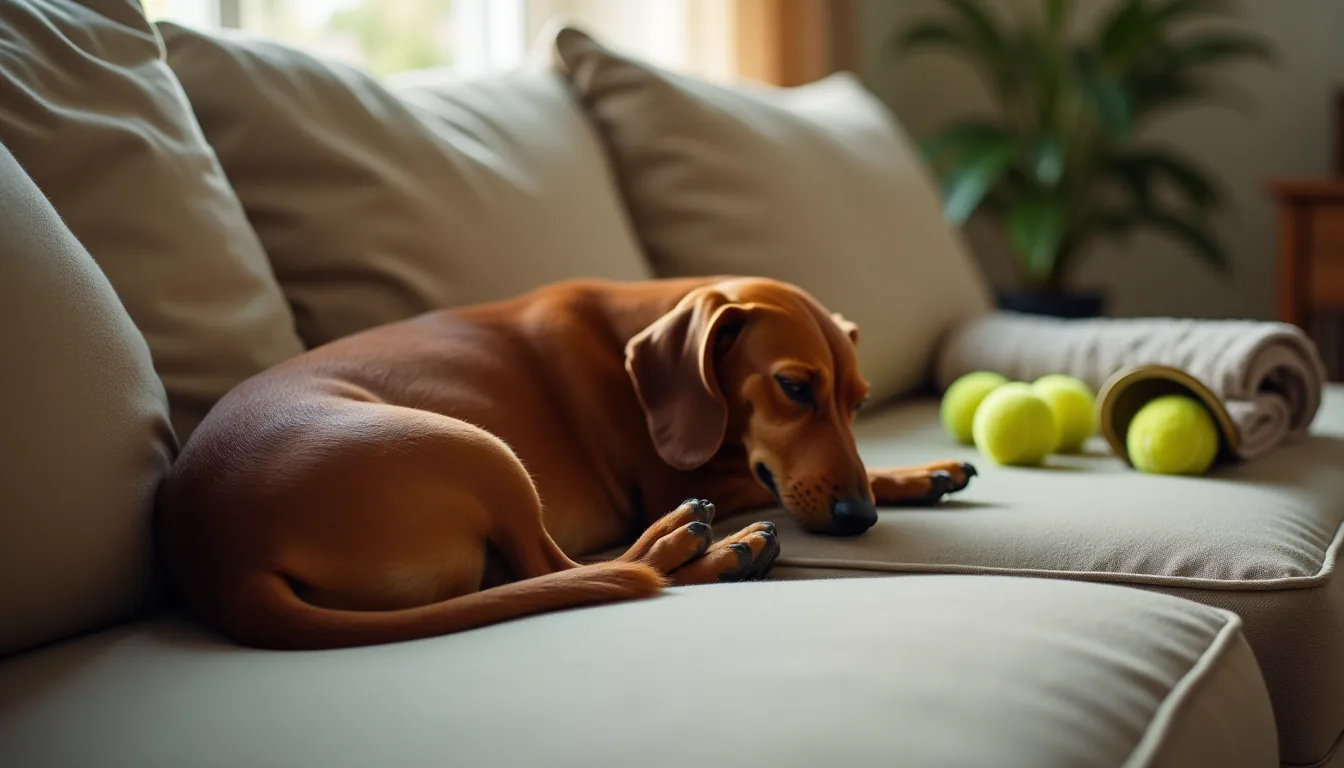
The best dog enrichment ideas DIY don’t require a trip to the pet store — a muffin tin, a rolled-up towel, or a cardboard egg carton sitting on your counter right now can buy you 20 minutes of focused, satisfied dog. If your dog has been pacing the hallway, barking at nothing, or chewing the corner of the rug, that’s not a behavior problem. That’s a dog who needs a job, and these 15 ideas give them one without costing much at all.
Why DIY Enrichment Works Better Than You Think
A $3 muffin tin outperforms a $40 puzzle feeder for a lot of dogs — not because it’s harder, but because it’s novel. Dogs respond strongly to new smells, new textures, and new problems. The moment you introduce something your dog hasn’t seen before, their brain lights up. That novelty is free.
Mental work also tires dogs out faster than physical exercise alone. A 15-minute sniff session or a food-hiding game can have the same calming effect as a 30-minute walk, according to AKC guidance on canine mental stimulation. That’s especially useful on days when getting outside isn’t an option.
DIY also means you control the difficulty. Start easier than you think necessary — a dog who fails repeatedly at a puzzle will give up and walk away frustrated. A dog who succeeds quickly will keep coming back. Gradually increase challenge by hiding food under more layers, using smaller kibble, or reducing scent cues.
The other advantage: variety. Rotating through different DIY setups keeps things unpredictable, which keeps your dog engaged longer than any single commercial toy. If you’ve been looking for indoor enrichment that actually holds attention, the answer usually starts with rotating what you offer, not buying more.
Dog Enrichment Ideas DIY Using Kitchen Items
Your kitchen is already stocked with enrichment supplies. Here are six of the most effective setups that use nothing you’d have to buy specifically.
Muffin Tin Puzzle
Place kibble or small treats in a few cups of a standard 12-cup muffin tin, then cover every cup with a tennis ball. Your dog has to nose or paw each ball to find the hidden food. Use all 12 cups but only fill 4-6 of them so your dog can’t predict which ones have the reward — this keeps the game interesting longer.
Egg Carton Scatter Feed
Tear up a cardboard egg carton, drop kibble inside, and fold it closed. Your dog has to rip it apart to get to the food. This works especially well for dogs who eat too fast — it slows them down and gives them something to do with their mouth. Cardboard is safe for dogs to chew and tear as long as they’re not swallowing large pieces, so supervise the first few sessions.
Ice Cube Tray Lick Activity
Fill an ice cube tray with plain Greek yogurt, mashed banana, or a thin layer of peanut butter (xylitol-free), then freeze it. The frozen texture adds resistance and extends the activity. If you want to expand this into a full feeding routine, our guide to lick mat recipes has 12 filling combinations that work just as well in a tray.
Snuffle Bottle
Cut a plastic bottle lengthwise, poke holes in the sides, and thread fleece strips through the holes so they stick out like fringe. Sprinkle kibble into the fleece. Your dog snuffles through the strips to find the food. Supervise and discard when the plastic starts to crack.
Towel Roll Puzzle
Lay a hand towel flat, scatter kibble across it, then roll it up tightly. Your dog has to unroll the towel to get to the food. The DIY dog enrichment towel is one of the most underrated setups — it’s quiet, low-mess, and can be done on any surface. For large dogs, use a full bath towel and add more layers of rolling.
Box Dig Pit
Fill a cardboard box with crumpled newspaper, paper bags, or empty toilet paper rolls, then hide a few treats throughout. Let your dog dig and sniff through the whole box. This is especially satisfying for terriers and other breeds with a strong digging instinct.
DIY Enrichment Ideas for Large Dogs Specifically
A 70-pound Labrador will knock over a muffin tin in four seconds and eat everything in one gulp. Large dogs need more resistance, more volume, and often more physical engagement layered into the activity.
Scale up every setup: use a full roasting pan instead of a muffin tin, a bath towel instead of a hand towel, and a laundry basket instead of a cardboard box. The principle is the same — the dog has to work to access the reward — but the format needs to match their size and strength.
For DIY dog enrichment ideas for large dogs, the floor scatter is one of the most effective low-effort options. Instead of feeding from a bowl, scatter your dog’s entire meal across a patch of grass or a textured rug. They spend 10-15 minutes sniffing and searching for every piece. No prep, no cleanup beyond picking up the bowl you didn’t use.
Stuffed Kong-style toys (any hollow rubber toy) also scale well. Pack them tightly with wet food, sweet potato, or canned pumpkin, then freeze overnight. A large dog working a frozen stuffed toy can stay occupied for 20-30 minutes. If you’re dealing with a high-drive dog who blows through everything too fast, check out our breakdown of enrichment strategies for high-energy dogs — the section on layering activities is particularly useful.
Sensory and No-Food Dog Enrichment Ideas DIY
Not every enrichment activity needs to involve food. Some of the most effective setups engage your dog’s nose, ears, or problem-solving instincts without a single treat.
Scent Introduction Walks
On a regular walk, let your dog stop and sniff everything they want to sniff. A 20-minute “sniff walk” at your dog’s pace — not yours — is more mentally tiring than a 45-minute brisk walk where you keep moving. The nose is doing serious cognitive work the whole time. This is one of the best dog enrichment ideas without food and costs nothing.
Cardboard Box Maze
Arrange four or five cardboard boxes in a loose maze pattern on the floor. Cut doorways between them. Hide a toy or a worn piece of your clothing (dogs find familiar scent deeply satisfying) at the end. Let your dog navigate the maze to find it. No food required — the hunt itself is the reward.
New Smell Introduction
Rub a cotton ball with a novel, dog-safe scent — lavender, anise, or birch are commonly used in nose work training — and hide it somewhere in a room. Let your dog find it. This is the foundation of competitive nose work and it’s completely accessible as a home activity. The ASPCA recommends scent-based activities as a low-stress way to engage dogs mentally, particularly for anxious or recovering animals.
Sound Enrichment
Play recordings of unfamiliar sounds — rain, city noise, birds, ocean waves — at low volume while your dog rests. This is especially useful for puppies being socialized, but adult dogs benefit from the mild novelty too. Keep the volume low enough that your dog stays relaxed rather than alert.
DIY Enrichment to Use When You’re at Work
Dog enrichment ideas while at work require one key feature: they must be safe to leave unsupervised. That rules out anything with small parts, loose string, or materials that could be swallowed in large pieces.
The safest unsupervised options are frozen stuffed toys, snuffle mats made from tightly knotted fleece on a rubber mat base, and scatter feeding on a rubber-backed mat. Freeze stuffed toys the night before so they’re ready to hand off before you leave — a room-temperature stuffed toy takes about 5 minutes; a frozen one takes 20-30.
Rotating what you leave also matters. If your dog gets the same frozen toy every day, it stops being interesting by day four. Keep three or four setups in rotation so each one feels new when it reappears. You can build a solid rotation in an afternoon using the DIY mental stimulation ideas we’ve put together — most take under 10 minutes to prepare.
For dogs who are particularly anxious when alone, pair the enrichment activity with your departure routine. Hand the frozen toy right as you leave so your dog associates your exit with something good rather than something stressful. This is a simple form of counter-conditioning that many owners find genuinely helpful.
Our Picks
These three product categories pair well with DIY setups and fill the gaps that homemade options can’t always cover:
- Rubber snuffle mat with suction base — the suction base keeps it from sliding across the floor during intense snuffling sessions, which makes it safe to leave unsupervised.
- Hollow rubber chew toy sized for your dog’s breed — the only stuffable toy worth buying; it’s durable enough to freeze repeatedly and easy to clean between uses.
- Fleece tug toy with multiple knot points — doubles as a tug game and a solo chew, and it’s soft enough that dogs with sensitive mouths will actually use it.
FAQ
What are easy dog enrichment ideas at home?
The easiest starting points are scatter feeding (tossing your dog’s kibble across a rug instead of using a bowl), a rolled towel with treats hidden inside, and a muffin tin puzzle covered with tennis balls. None of these require any prep beyond what’s already in your house, and all three take under two minutes to set up.
What are some sensory enrichment ideas for dogs?
Sensory enrichment includes anything that engages smell, hearing, or touch beyond your dog’s normal routine. Scent walks where your dog sets the pace, nose work games with hidden cotton balls, new-texture surfaces to walk across (a rubber mat, a piece of carpet tile, a shallow water tray), and low-volume sound recordings all count. You don’t need food for any of these.
How often should I do DIY enrichment with my dog?
Daily is ideal, but even three or four sessions a week makes a measurable difference in a dog’s overall calmness and destructive behavior. Short and frequent beats long and occasional — a 10-minute snuffle session every day is more effective than a 60-minute enrichment marathon on weekends.
Are DIY enrichment toys safe for puppies?
Most are, with supervision. Avoid anything with small parts that could be swallowed, and skip cardboard setups until your puppy is past the phase of eating everything indiscriminately. Frozen lick activities in an ice cube tray, snuffle mats, and scatter feeding on a flat surface are all safe for puppies from a young age.
What DIY enrichment works best for dogs left alone all day?
Frozen stuffed hollow toys and rubber snuffle mats are the two best unsupervised options. Both are durable, can’t be destroyed quickly, and don’t have loose parts. Rotate between at least three setups to maintain novelty, and always freeze stuffed toys the night before so they last longer than a few minutes.
One Thing to Do Next
Pick one item from this list — the muffin tin puzzle, the towel roll, or a scatter feed across your kitchen floor — and use it for your dog’s next meal instead of a bowl. That single swap is the best first step into dog enrichment ideas DIY, and once your dog finishes it and settles into that post-activity nap, you’ll understand exactly why it’s worth making a habit. Start with one, rotate in a second next week, and build from there.